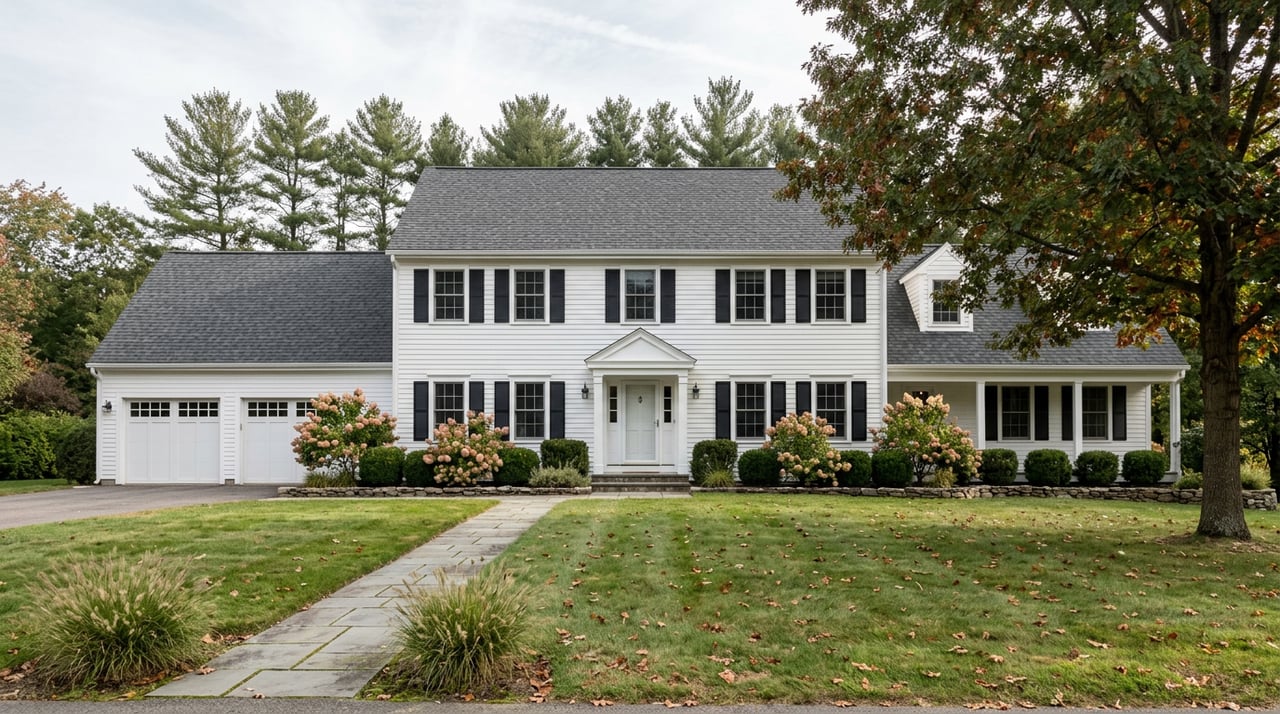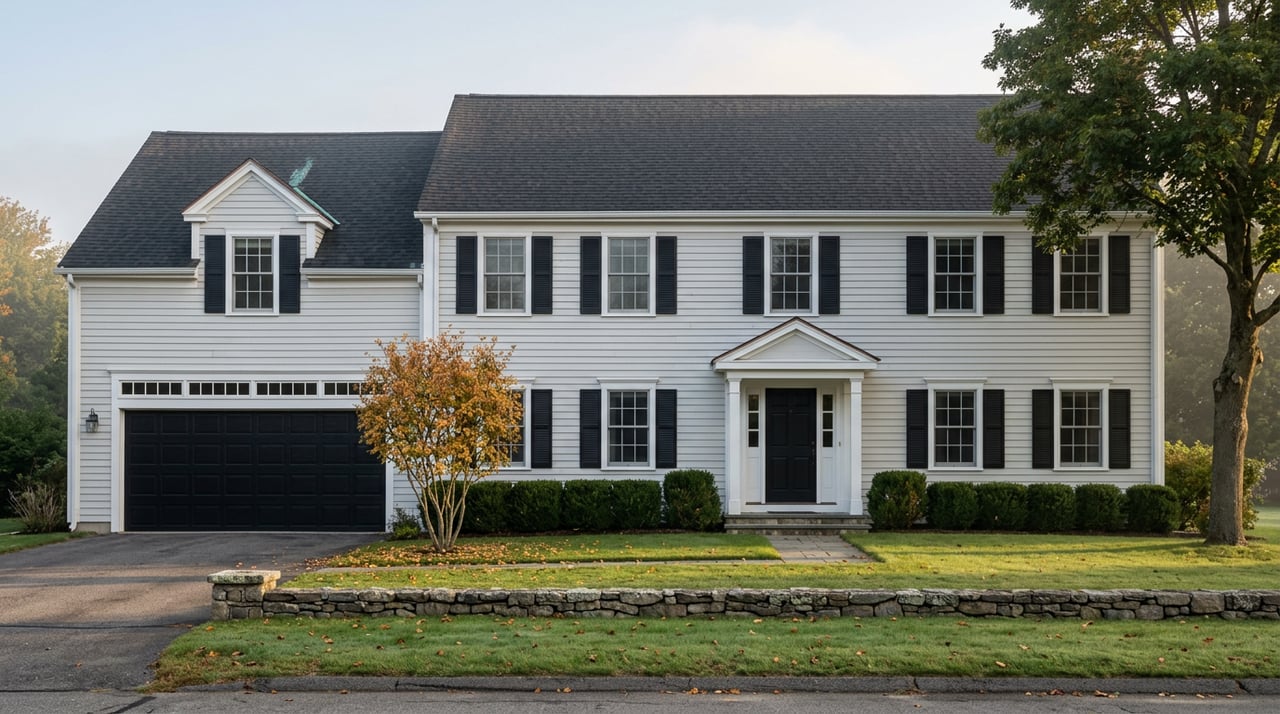
If you plan to buy in New Canaan, your offer strategy matters almost as much as the home you choose. In a market where listings can move quickly and some homes draw multiple offers, you need more than enthusiasm. You need a plan that balances price, timing, and protection so you can compete confidently without stretching past your comfort zone. Let’s dive in.
Why speed matters in New Canaan
New Canaan remains a high-price, low-supply market by most standards. According to Zillow’s New Canaan home value snapshot, the typical home value was $2,102,859 as of March 31, 2026, with 49 homes for sale and a median 15 days to pending.
Other sources show slightly different numbers because they use different timeframes and datasets, but the overall pattern is consistent. Realtor.com reported 91 homes for sale in February 2026, with a median sale price of $2.92 million, 38 median days on market, and a 101% sale-to-list ratio, while Redfin described the market as somewhat competitive, with some hot homes selling above list and going pending in about two weeks. The practical takeaway is simple: when the right home appears, you need to be ready to act.
Build your offer before you shop
A strong New Canaan offer usually starts before you ever write one. That means understanding your budget, talking through your financing options, and deciding in advance where you are flexible and where you are not.
Your preapproval is one of the first things a seller will notice. The Consumer Financial Protection Bureau explains that a preapproval letter can show a seller you are serious, but it is still based on assumptions and is not a guaranteed loan offer. In other words, it helps, but it does not remove every financing risk.
Just as important, Connecticut buyers should bring their attorney into the process early. The state requires real estate closings to be handled by a Connecticut-admitted attorney, and the Connecticut Department of Consumer Protection makes clear that attorney oversight is valuable well before closing, especially when you are reviewing contingencies, timing, and deposit language.
Price is only one part of the offer
It is easy to focus only on offer price, but sellers often look at the whole package. A clean, well-structured offer can be more appealing than a higher number that brings more uncertainty.
The Connecticut DCP guidance on working with a buyer’s agent notes that a buyer’s agent can help prepare a comparative market analysis, counsel you on price, and keep your price capability confidential. That matters in New Canaan, where overpaying by emotion can be costly and underbidding can take you out of contention quickly.
A competitive offer often comes down to four moving pieces:
- Purchase price
- Financing strength
- Timing and closing flexibility
- Inspection, appraisal, and other contingencies
The best strategy is usually the one that matches your actual financial comfort, not the one that simply looks most aggressive on paper.
Decide your earnest money carefully
One of the most common buyer questions is how much earnest money to offer. The key point in Connecticut is that the amount is negotiable, but the handling of the deposit is tightly regulated.
Under Connecticut escrow regulations, earnest money and other client funds must be placed in a regulated escrow or trust account in a Connecticut bank. State guidance also says the check should be made payable to the brokerage company, not to an individual agent.
That means your deposit should be discussed as part of your broader negotiation strategy with your agent, lender, and attorney. There is no one-size-fits-all amount in the sources, so the right number depends on the property, your financing structure, and how competitive the situation is.
Keep contingencies strategic, not careless
In a fast market, buyers sometimes feel pressure to strip out protections. That can make an offer look stronger, but it can also create avoidable risk.
Financing contingency
If you are financing the purchase, be realistic about what your lender needs. A preapproval helps, but the loan still has to go through underwriting, and the lender usually orders an appraisal.
As Fannie Mae explains, if the appraisal comes in below the purchase price, you may need to renegotiate, increase your down payment, appeal the appraised value, or walk away, depending on the contract terms. In some situations, your earnest money could be at risk if the contract does not protect you.
Inspection contingency
You can waive an inspection, but that should be treated as a deliberate risk choice, not a default move. The safer path is often to keep the inspection contingency while defining a repair threshold or deciding in advance what level of issues you can absorb.
The National Association of Realtors consumer guidance frames inspection waivers as a tradeoff, and Connecticut DCP recommends using a professional home inspector selected by the buyer. If issues come up, the seller may choose to make repairs or offer a credit at closing.
Attorney and disclosure review
Connecticut now requires a Residential Property Condition Report, and for certain owners, a Residential Foundation Condition Report. These disclosures, along with contract language, should be reviewed early with your attorney so you understand what you are accepting before your offer becomes binding.
Use timing as a negotiation tool
In many transactions, timing can matter as much as money. Some sellers want a faster closing. Others need more time to move. A flexible buyer who can match the seller’s preferred schedule may stand out without raising the price.
NAR’s consumer guide notes that sellers may prefer quicker closings or all-cash offers because they reduce financing friction. If you are not paying cash, you may still improve your position by offering a realistic closing timeline, limiting avoidable delays, and making sure your lender and attorney are prepared to move quickly.
If the property is part of a condo or homeowners association, build in extra time. The Connecticut DCP home buying guidance flags HOA and condo board issues as part of the process, so your timeline should allow for association review.
Understand multiple-offer situations
In New Canaan, there is a real chance that a desirable listing will attract more than one buyer. If that happens, the seller may accept one offer outright, counter a specific buyer, or ask everyone for best and final.
According to the NAR consumer guide, sellers may also disclose that other offers are on the table and invite stronger bids. That is why your first offer should be thoughtful and complete. You should not assume you will get another chance to improve it.
A strong first offer usually means:
- Your price reflects market reality
- Your financing is documented clearly
- Your deposit terms are solid
- Your timelines are realistic
- Your contingencies are limited but still protective
It is also important to remember that the seller does not have to accept your offer. Connecticut DCP states plainly that a seller is not required to accept any particular offer or counteroffer.
When an escalation clause makes sense
An escalation clause can help in a competitive situation, but it is not automatically the right move. It can push your effective purchase price higher very quickly, especially in a high-price market like New Canaan.
NAR notes that escalation clauses should be used carefully and with a clear understanding of their pros and cons. If you are considering one, set a hard ceiling, understand the appraisal risk, and have your attorney review the language closely.
This matters because a winning bid is not always the same thing as a comfortable purchase. If the clause drives the price above appraised value, you may need to bring additional cash to closing or try to renegotiate.
Think carefully about seller concessions
Some buyers assume that asking for concessions makes an offer weaker, but that is not always true. NAR notes that well-defined concessions can sometimes improve the overall structure of a deal, depending on what matters most to each side.
Examples can include requests tied to closing costs, title-related expenses, repairs, updates, taxes, or association-related costs. The key is to understand the tradeoff. In a competitive situation, a cleaner offer with fewer asks may carry more weight, but in other cases, a targeted concession request may help you manage cash flow more effectively.
This is where a data-informed negotiation approach matters. You want your offer terms to support your budget and goals, not just your initial excitement.
A smart New Canaan strategy
In New Canaan, the goal is not to win at any cost. It is to write an offer that is strong, credible, and aligned with your financial comfort.
That usually means moving quickly, showing sellers you are prepared, and keeping your contract terms as clean as possible without giving up protections you may truly need. It also means understanding that negotiation is about more than headline price.
If you want a disciplined, local approach to buying in lower Fairfield County, Robin Bartholomew can help you evaluate the numbers, weigh the risks, and craft an offer strategy that fits the market and your goals.
FAQs
How much earnest money should I offer for a New Canaan home?
- In Connecticut, the deposit amount is negotiable, but it must be handled through a regulated escrow or trust account, so you should coordinate the amount and terms with your agent and attorney.
Do I need a Connecticut attorney when buying a home in New Canaan?
- Yes. Connecticut requires closings to be conducted by a Connecticut-admitted attorney, and it is wise to involve that attorney early to review contingencies, timing, and deposit language.
What happens if a New Canaan home appraises below my offer price?
- Your lender may not fund the full amount, so you may need to renegotiate, bring more cash, challenge the appraisal, or walk away if your contract allows it.
Should I waive the inspection contingency in a competitive New Canaan market?
- You can, but it is generally a risk tradeoff rather than a routine best practice, and many buyers are better served by keeping the inspection and defining clear repair thresholds.
Are escalation clauses helpful for New Canaan buyers?
- Sometimes, especially in multiple-offer situations, but they should include a firm ceiling and be reviewed carefully because they can increase both price and appraisal risk.
Can a seller reject my New Canaan offer without making a counteroffer?
- Yes. In Connecticut, a seller is not required to accept any offer or counteroffer.
Do condo or HOA homes in New Canaan require extra time in the contract?
- Yes. If the property involves a condo or homeowners association, your timeline should allow for association review and related due diligence.