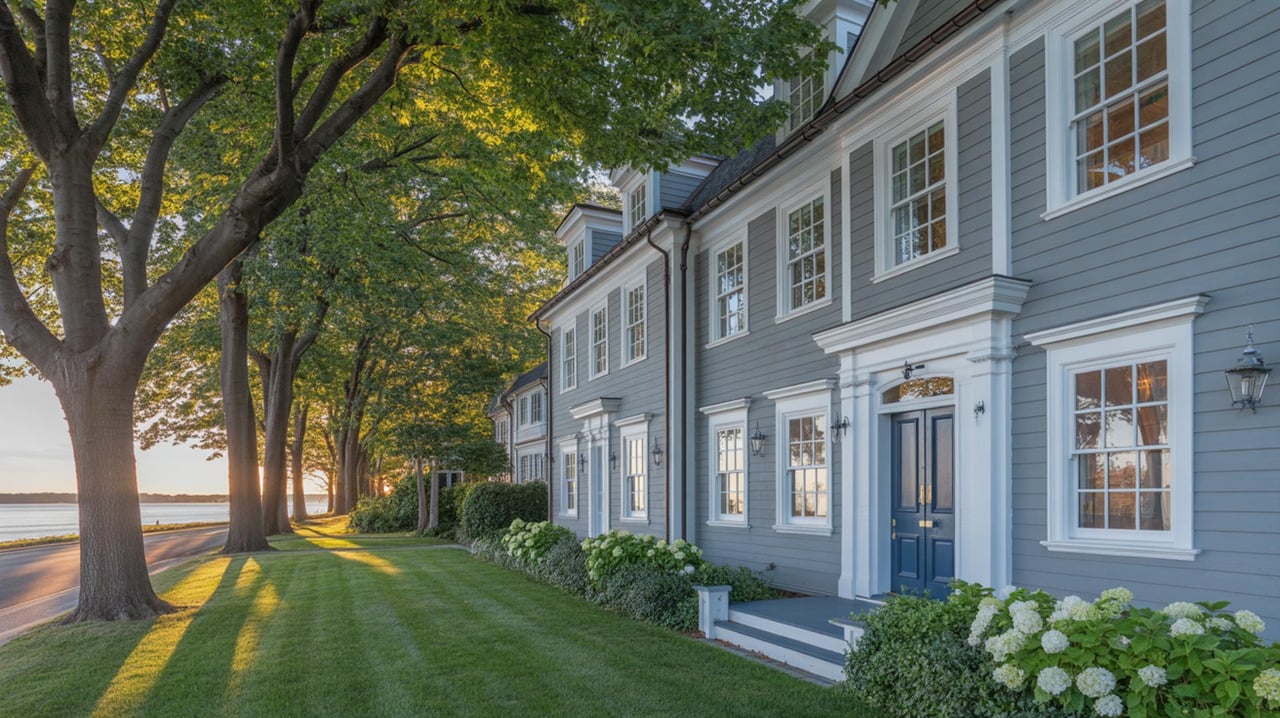
Choosing paint colors for a Darien, CT home blends personal taste with local character. The town’s coastal light, leafy streets, and range of architectural styles offer many opportunities to create a look that feels right. Home exteriors should respond to shoreline proximity and traditional New England forms. Interiors can reflect seasonal sunlight and the town’s tranquil atmosphere. The following sections explore practical steps for picking colors that enhance curb appeal, support resale objectives, and create comfortable living spaces in Darien neighborhoods such as Tokeneke and Noroton.
Color Palette For Coastal And Woodland Settings
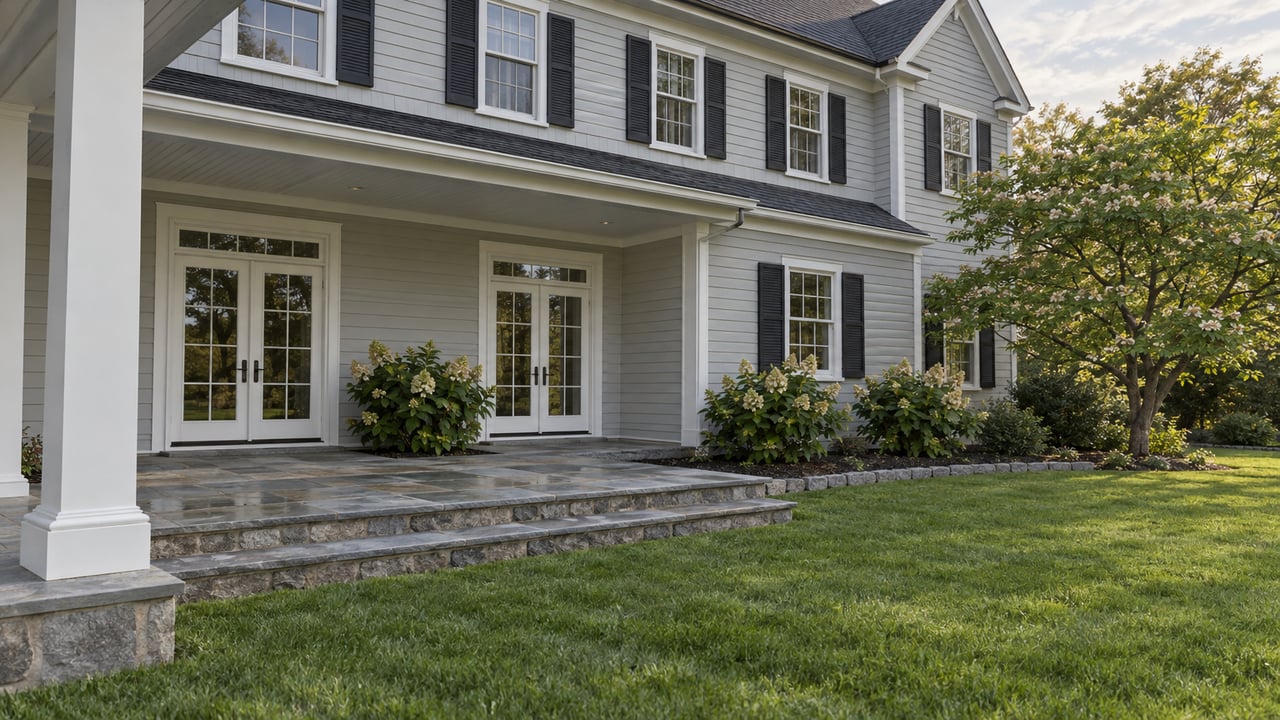
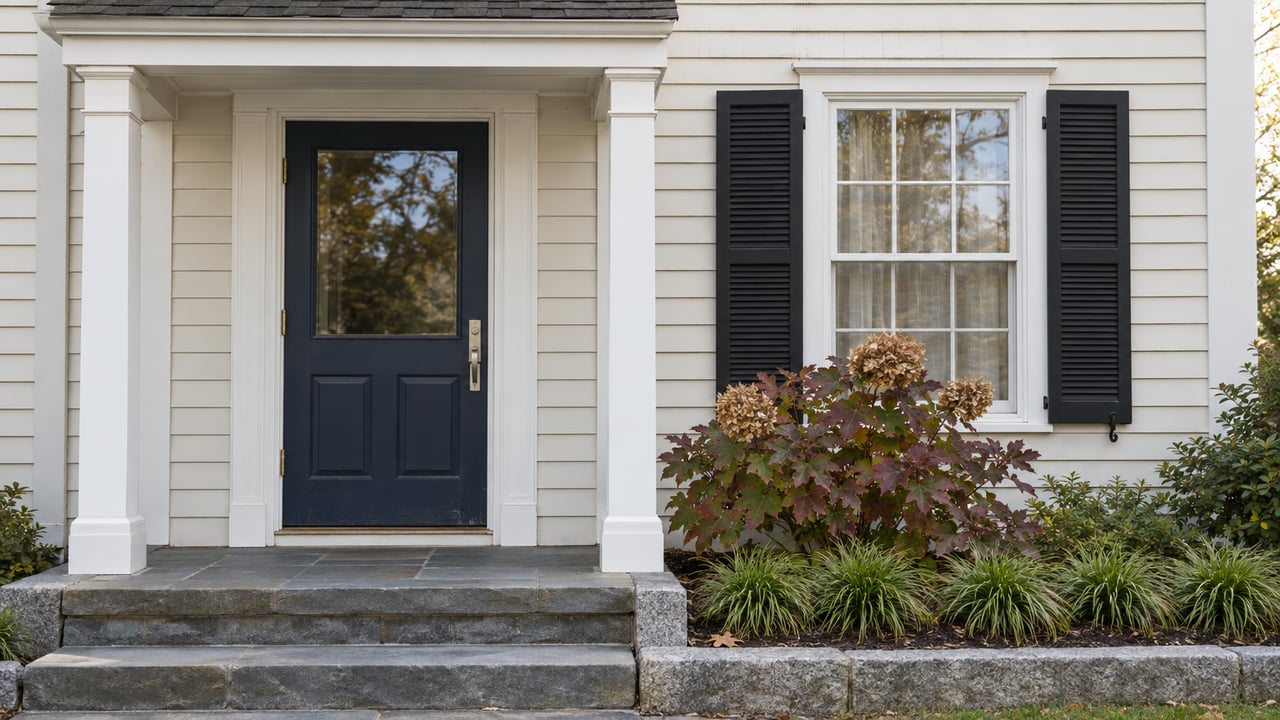
Select a palette that harmonizes with nearby water and mature trees. Cool neutrals and soft blues complement waterfront views, while warm grays and gentle greens work well where mature oaks and maples dominate. Test paint chips against siding, shutters, and roofing at different times of day. Observe how early morning and late afternoon light affect undertones. Use sample patches on each facade material to account for texture differences. For trim, choose a crisp hue that frames architectural details without competing with the main color. For entry doors, select a contrasting shade that offers a welcoming accent while tying back to the overall palette.
Matching Paint To Architectural Style
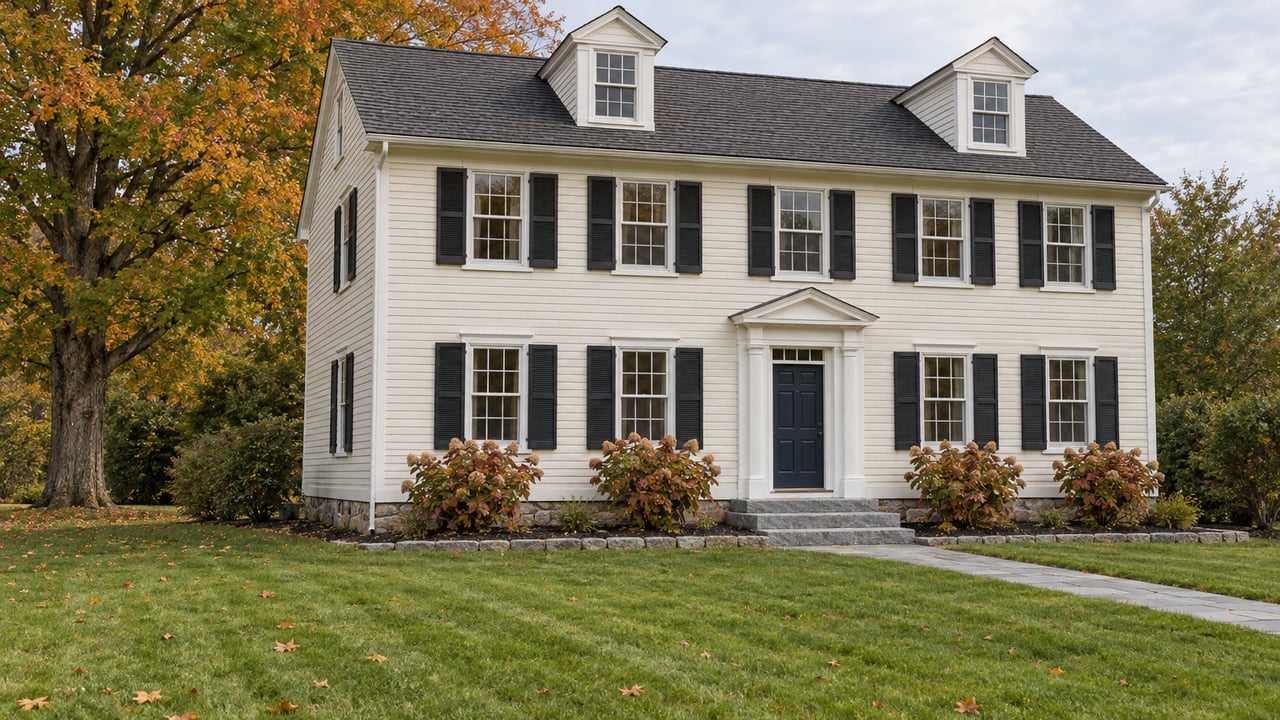
Identify the architectural vocabulary of the home before choosing color. Colonial and Dutch Colonial homes take well to classic creams and colonial blues. Midcentury modern houses pair with bolder single-color treatments or muted earthy tones. Shingle-style residences benefit from weathered tones and natural stains that emphasize texture. Use historical precedents as visual cues while allowing for personal expression through accent elements. Preserve defining features by highlighting cornices, window casings, and eaves with slightly lighter or darker shades. When working on a restoration, review old photographs or consult local archives for authentic color inspiration.
Considering Seasonal Light And Interior Flow
Assess how seasonal changes alter color perception inside. Winters with low angled light will make cool colors feel cooler, and summers with bright sun will intensify saturation. Create continuity from room to room by selecting a cohesive undertone that recurs in adjoining spaces. For open floor plans, test large sample boards to judge harmony across sightlines. Use warmer finishes in rooms intended for relaxation and cooler finishes where concentration is desired. Keep ceiling colors close to white with a faint tint to visually lift the space. Matte finishes hide imperfections, while satin or eggshell sheens add subtle reflectivity to high-traffic areas.
Testing Swatches In Real Conditions
Apply large sample areas on different walls and exterior panels. Observe each swatch under morning, midday, and evening light. Watch how neighboring foliage and paved surfaces influence perceived color. Use full-size boards rather than small chips to capture the color’s effect at scale. Evaluate swatches after a day of sun exposure and after rain to see weathered appearance. For exterior projects, view samples from the street and from the sidewalk to ensure curb appeal. Photograph swatches for reference, noting the time of day and weather for each image.
Coordinating Trim, Shutters, And Doors
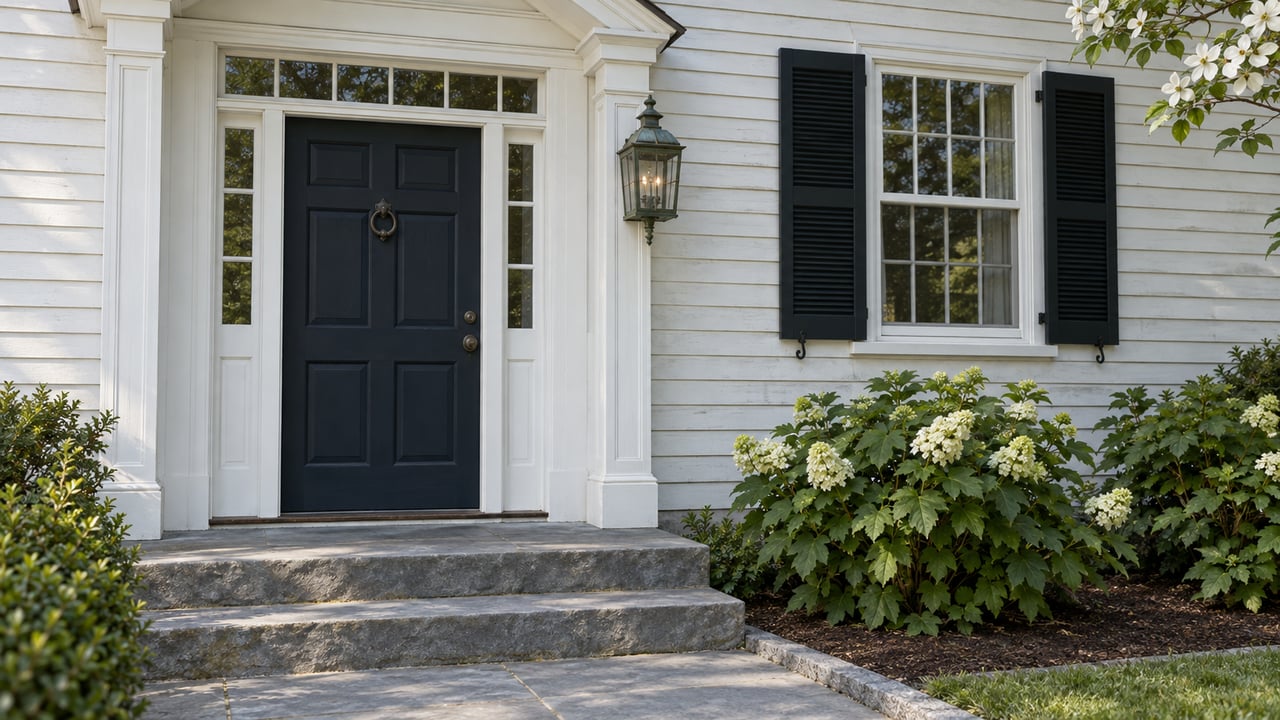
Choose trim colors to provide clarity and definition. A bright trim can make architectural details pop, while a softer trim creates a cohesive, understated look. Shutters and doors are opportunity areas for personality. For entrances near the water, maritime-inspired deep blues or saturated greens offer nautical charm. For properties along tree-lined lanes, select richer, muted jewel tones that feel grounded. Match hardware finishes to the color temperature—warm metals with warm paints, cool metals with cool paints—to unify the overall composition. Test small samples with hardware in place to confirm compatibility.
Selecting Interior Color For Resale Considerations
Balance personal style with buyer preferences when preparing a home for market. Neutral palettes with warm or cool undertones tend to appeal broadly in Darien’s market. Create inviting common areas with soft, versatile tones that allow prospective buyers to imagine furnishings. Use bolder colors sparingly in accent walls or secondary rooms. Maintain consistency in primary living zones so that natural light and architectural features become focal points. When staging, coordinate textiles and decorative accents to highlight painted surfaces in their best light.
Working With Local Paint Suppliers And Contractors
Consult local suppliers who understand Connecticut weather and common regional materials. They can recommend formulations that resist moisture and salt air for homes close to the coastline. Discuss finish options that suit each surface—flat masonry paints for chimneys, durable acrylics for clapboard, and stain systems for shingles. Ask for color-matching services when restoring historic tones or when trying to tie new additions to original facades. Local painters familiar with Darien’s building codes and typical siding types will offer practical sequencing advice to minimize disruption and ensure long-lasting results.
Using Color To Highlight Architectural Features
Strategically place color to emphasize desirable elements. Lighter shades can make porches and porticos look more open. Darker hues on lower foundations can visually anchor the house. Contrasting bands at cornice lines or around window frames can add refinement. For multi-material facades, select a unifying color that harmonizes with brick, stone, or wood so transitions read intentional. Accent colors on columns or balustrades can bring attention to craftsmanship without overwhelming the facade. For interiors, paint door casings or built-in cabinetry in a complementary tone to elevate both the paintwork and the millwork.
Maintaining Exterior Paint In Coastal Climates
Plan maintenance cycles that account for salt-laden breezes and sun exposure. Select high-quality exterior paints formulated for UV resistance and peel prevention. Clean painted surfaces gently when staining or mildew appears, using manufacturer-recommended solutions to protect finish integrity. Inspect caulking and flashing around windows and doors to prevent moisture intrusion that can prematurely degrade paint. Repaint trim and high-exposure areas more frequently than sheltered surfaces to preserve appearance. Keep records of paint brands, colors, and application dates for future touch-ups or when matching colors for additions.
Finishing Touches for Your Darien, CT Home
Choosing the right paint colors can highlight your home's architectural details and reflect the coastal, classic charm of Darien, CT. Consider light, airy neutrals for curb appeal and muted blues or greens for rooms that benefit from a calming influence. If you want expert guidance that takes local light, resale value, and neighborhood style into account, reach out for personalized advice. For tailored color consultations and local insights in Darien, CT, contact the Robin Bartholomew today.