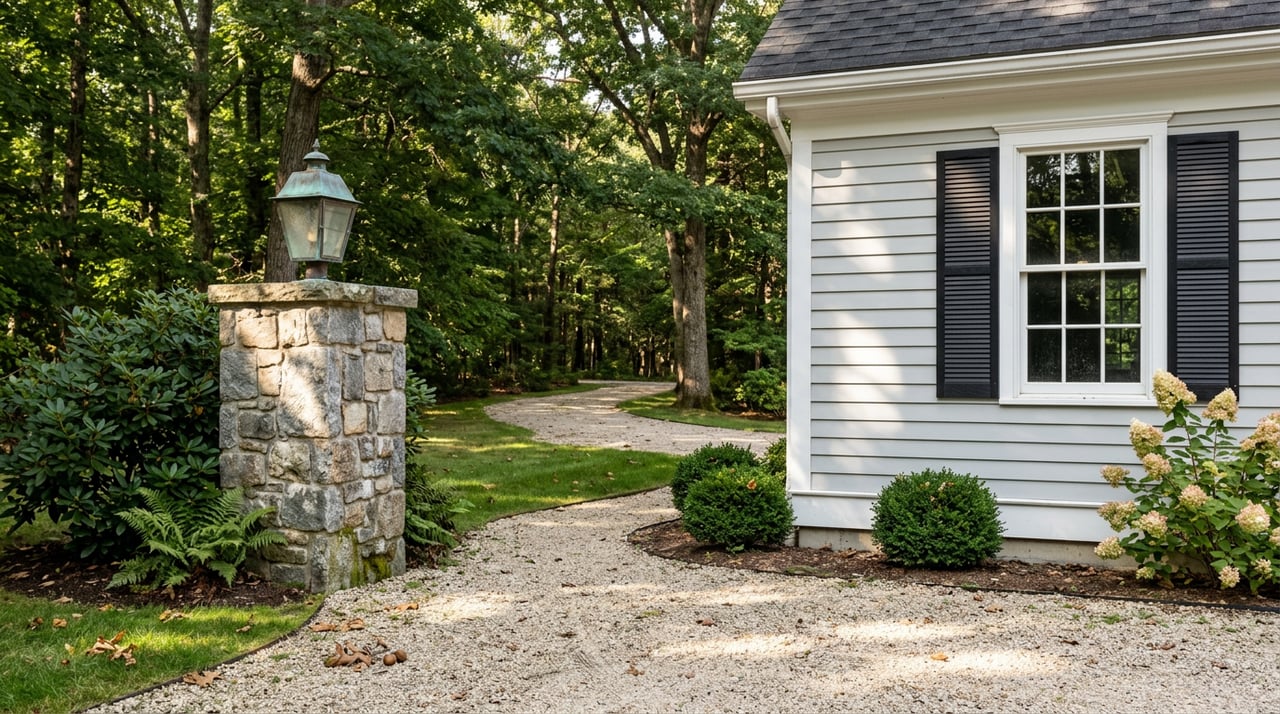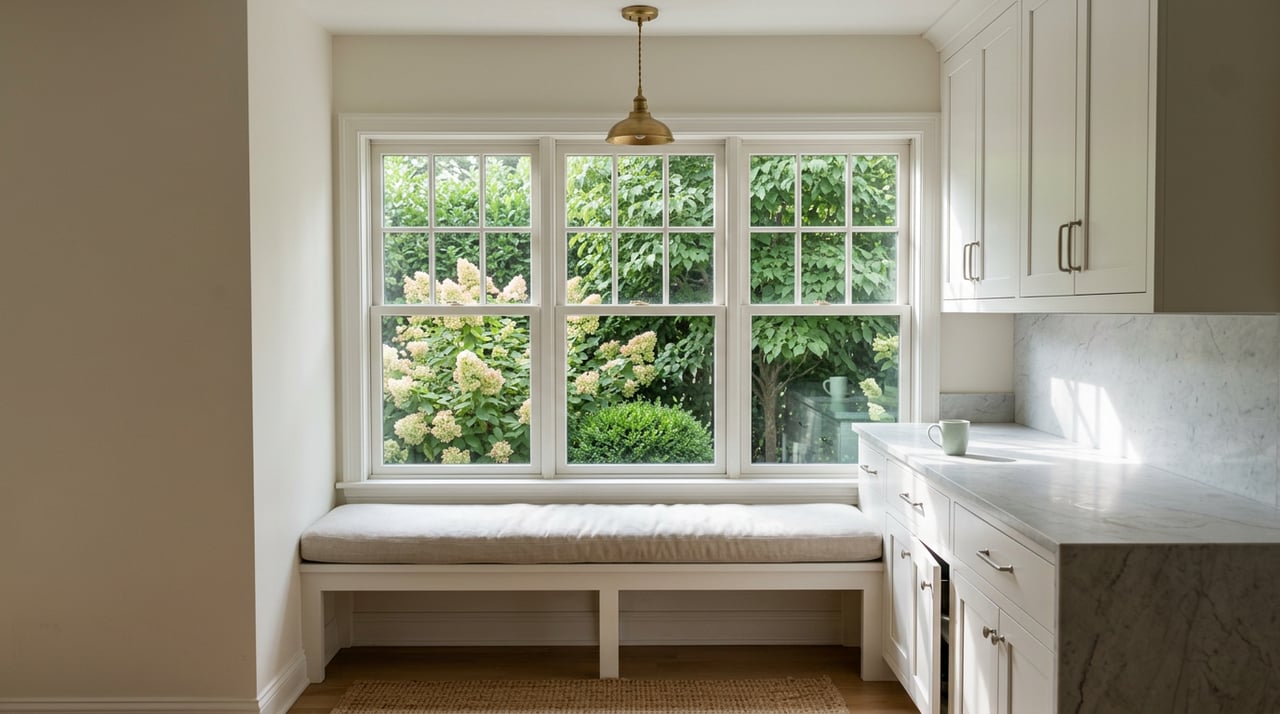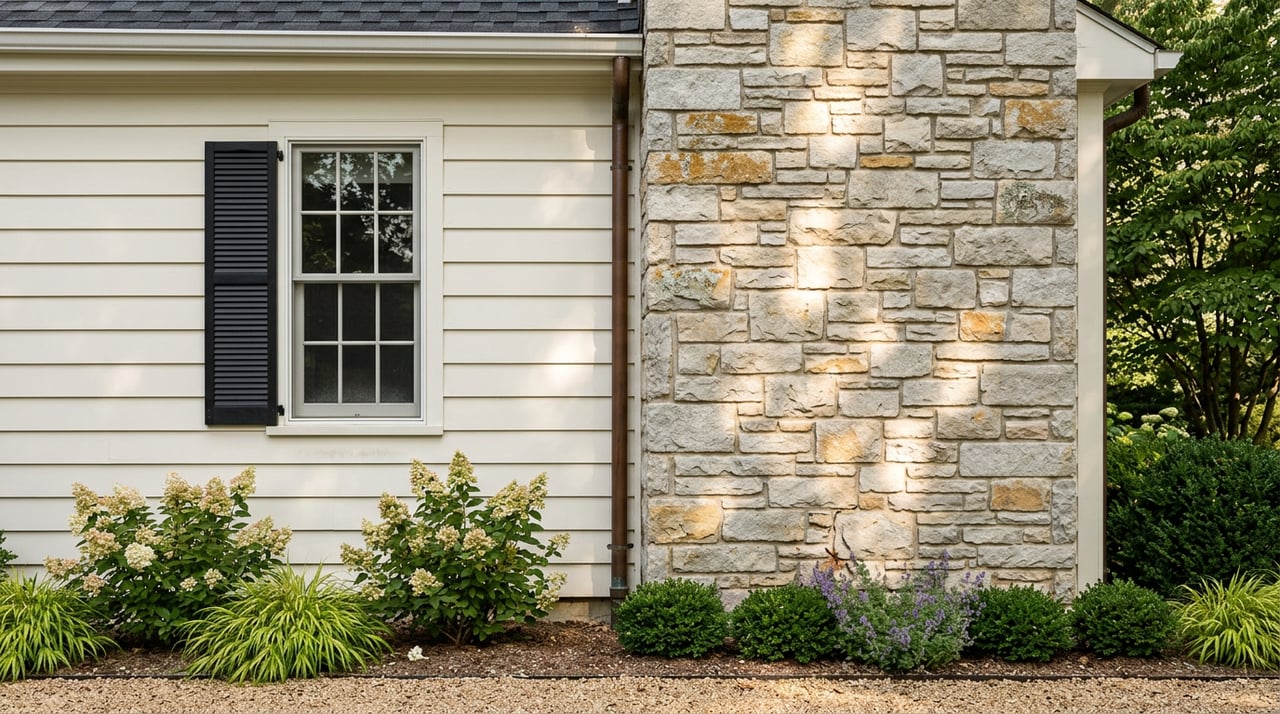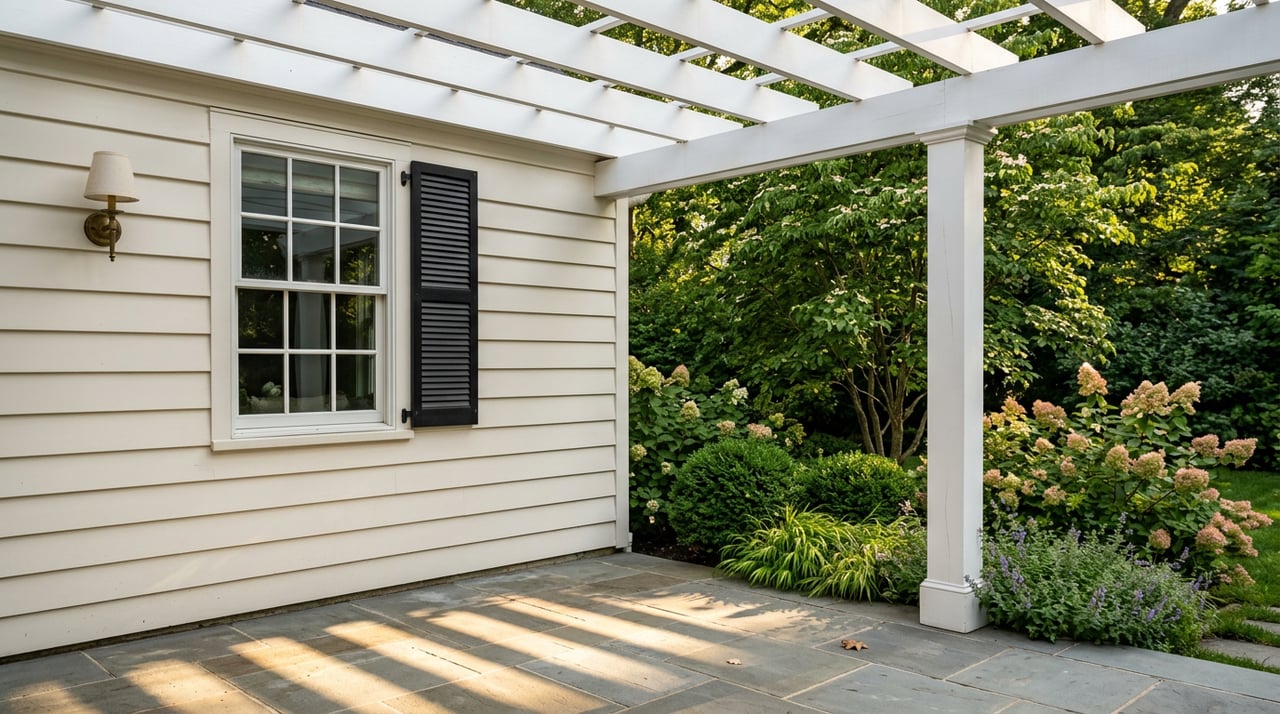
Getting a Stamford luxury home market-ready takes a different playbook than a typical sale. Your buyers are selective, often busy executives or relocation clients, and they expect turnkey living, quality systems, and polished marketing that respects their time. In this guide, you will get a clear plan to price with precision, prep for maximum impact, and launch with the right visuals and channels to reach qualified buyers. Let’s dive in.
Stamford luxury market, defined
Stamford’s citywide medians sit in the mid six figures, with recent reports showing values that fluctuate by month and source. Upper-tier activity across Fairfield County has been strong, and Stamford’s top neighborhoods can trade far above city medians. For local context and trendlines, review third-party reporting on Stamford’s residential market performance in 2025, including quarterly snapshots and neighborhood-level movements from resources like PropertyShark’s Stamford market trends. View local market trends and context.
What counts as luxury here is best defined either by price band or percentile. In Fairfield County, many professionals treat homes above roughly 1.25 to 1.5 million dollars as luxury, or the top 5 to 10 percent of active inventory depending on neighborhood. A headline sale in Shippan Point near nine million dollars in 2025 illustrates how specific waterfront pockets set their own ceilings, not baselines for the whole city. See local reporting on upper-tier activity and the Shippan sale.
Your buyer pool is diverse. It includes executives tied to Stamford’s corporate base, NYC commuters seeking suburban waterfront or estate-style properties, and in-market professionals upgrading within Fairfield County. Convenience to train and downtown, privacy, and high-quality indoor-outdoor living spaces tend to top the list. For context on Stamford’s major employers and why the area draws well-qualified buyers, review a summary of the city’s corporate landscape. Explore Stamford’s corporate employer base.
Price with precision
Build a hyper-local comp set
Start with recent sales, pendings, and competing actives in your exact micro-market. For single-family homes, that means the same neighborhood and similar lot size or features like waterfront exposure. For condos, stick to your building, line, or a true peer property. High-profile sales, like the 2025 Shippan Point closing near nine million dollars, are useful to establish a ceiling but should not set your list price unless your property is truly comparable. See the Shippan context in local coverage.
Build a grid of six to ten comps, including sold, pending, and on-market listings. Note adjustments in writing for condition, square footage, exposure, and amenities. This gives you and your agent a disciplined framework for pricing and negotiations.
Consider a pre-list appraisal and inspection
Upper-tier listings benefit from fewer surprises. A pre-listing inspection helps you find and fix issues that would surface in buyer due diligence, cutting renegotiation risk. For high-price homes, a pre-list appraisal or broker price opinion can also reduce the chance of an appraisal gap once under contract, especially when jumbo financing is involved.
Know your financing signals
For 2026, the FHFA baseline conforming loan limit is 832,750 dollars. Many Stamford luxury deals will use jumbo financing or larger down payments, which can trigger tighter appraisal scrutiny. As you prepare to show, ask buyer agents for proof of funds for cash or pre-approval for financed offers, and be ready to evaluate whether an appraisal gap is likely based on your comp set and condition. Review FHFA’s 2026 conforming limit.
Decide on exposure versus privacy
Maximum exposure through the MLS typically delivers the strongest competition and price. If privacy is a top priority, office-exclusive or limited off-market strategies can be considered, but they come with tradeoffs like a smaller buyer pool and potential for lower bids. If you choose a pocket approach, document informed consent and understand how rules like Clear Cooperation apply. Read a candid overview of pocket listing pros and cons.
Improvements that move luxury buyers
Start with systems and safety
Before you paint or replace hardware, address roof, windows, mechanicals, electrical, and HVAC. High-end buyers expect well-maintained systems and will discount aggressively for deferred maintenance. Fixing these items prevents deal friction in inspections and supports top-of-market pricing.
Focus on high-ROI refreshes
Remodeling data shows targeted, lower-disruption projects often recoup more than full-scale renovations. Items like a new steel entry door, manufactured stone veneer, fiber-cement siding, and a minor kitchen remodel tend to deliver strong returns relative to cost. In upper-tier Stamford listings, these projects help your home read turnkey without overcapitalizing. See the latest Cost vs Value findings.
Mini case study: why a minor kitchen refresh wins
Consider two comparable homes in North Stamford. One seller spends heavily on a full luxury kitchen gut that runs long and misses the peak listing window. Another invests selectively in paint, lighting, faucet and hardware upgrades, and a neutral quartz countertop. The second home aligns better with buyer expectations and recoups more because the scope hits visible objections without sinking time and budget into custom choices. This pattern is consistent with national Cost vs Value data showing minor kitchen remodels often deliver higher recoupment than full luxury overhauls. Get the data behind minor remodel ROI.
Stage for speed and stronger offers
Staging helps buyers visualize scale and flow, which can lead to faster sales and higher offers. National survey data reports that nearly one third of agents saw staged homes attract offers 1 to 10 percent higher, and a large share reported shorter time on market. The median national staging spend is modest, but full staging for a vacant luxury home in our area typically runs several thousand dollars at install with monthly rental thereafter, and bespoke multi-room installs can reach into five figures depending on scope. Get quotes early and confirm minimum rental terms. Review staging impact and cost realities, and see a pricing framework for staging.
Visuals and launch timing
Must-have visual assets
Your media package should include professional photography, aerial drone images, floor plans, a Matterport or similar 3D tour, and a video walkthrough. Luxury buyers are busy and often pre-screen online. Strong visuals earn their time and help your listing stand out in cross-county and NYC buyer feeds.
Time your photography
Plan exterior shoots for the season and weather that present your home best. Spring and summer showcase landscaping, and clear autumn days can be stunning. Twilight images are powerful for waterfront or modern architectural homes because they highlight lighting and views. If schedules or weather do not cooperate, many photographers offer day-to-dusk conversions to achieve a similar effect. Learn current photography trends and day-to-dusk options.
Distribute where high-end buyers look
MLS syndication remains the backbone that pushes your home to major consumer portals. For the upper tier, add targeted digital campaigns that reach NYC and Westchester audiences, distribution through Berkshire Hathaway Luxury channels, polished print materials, and broker-only events that invite Manhattan and Fairfield County buyer agents. Direct outreach to corporate relocation contacts in Stamford can also surface qualified, timeline-driven buyers.
Legal, risk, and show-readiness essentials
- Disclosures and pre-inspection. A pre-list inspection helps you disclose material issues up front and fix what is prudent, which reduces renegotiation risk later.
- Flood and environmental documentation. If your property is waterfront or in a low-lying area, confirm FEMA flood zone status, assemble elevation certificates, and gather any records of sea-wall, bulkhead, or flood mitigation work. Find FEMA map metadata and guidance for Fairfield County.
- Offer screening and security. Use agent-accompanied showings, secure valuables, and request proof of funds or pre-approval before private previews for high-value listings.
- Data room. Prepare warranties, service records, utility averages, past appraisals, survey, permits, and any architectural plans. Organized documentation builds buyer confidence and speeds attorney review.
Your 8-step pre-listing checklist and timeline
- Define list window and pricing framework, 6 to 12 weeks out.
- Review hyper-local comps and competitive positioning with your agent.
- Decide whether to pursue a pre-list appraisal or price opinion.
- Inspect and scope repairs, 6 to 10 weeks out.
- Order a pre-listing inspection to surface issues early.
- Schedule licensed contractors for mechanical, roof, or safety items.
- Plan exterior impact, 5 to 8 weeks out.
- Refresh landscaping, edge beds, mulch, and pressure wash hardscapes.
- Repaint or refinish the front door and replace dated exterior lighting.
- Neutralize interiors, 4 to 6 weeks out.
- Paint in light, neutral tones, repair minor flooring issues, and deep clean.
- Update lighting, door hardware, and bath fixtures where dated.
- Targeted kitchen and primary bath refresh, 3 to 5 weeks out.
- If comps demand it, add high-visibility upgrades like new counters, faucets, cabinet pulls, and modern pendants.
- Use Cost vs Value data to decide if a minor refresh will outperform a larger project for your home and neighborhood. See the ROI guide for project choices.
- Stage for your buyer, 3 to 4 weeks out.
- Confirm full or partial staging scope based on your target buyer profile.
- Lock in delivery windows and minimum rental periods. Use a staging cost framework for planning.
- Capture best-in-class visuals, 1 to 2 weeks out.
- Schedule photography, drone, 3D tour, and video on optimal dates.
- Include twilight imagery for waterfront or architecturally modern homes. Review current visual best practices.
- Launch preparedness, 1 to 2 weeks out and launch week.
- Finalize property brochure, floor plans, and digital ad assets.
- Build your property data room and coordinate broker opens and private previews.
- Decide on MLS exposure or a documented privacy strategy if needed. Understand pocket listing tradeoffs.
Bringing it all together
A standout result in Stamford’s luxury segment comes from disciplined pricing, practical upgrades with strong ROI, polished staging, and a launch that meets high-net-worth buyers where they are. Paired with a thoughtful showing strategy and complete documentation, this approach reduces risk and positions you for a confident close.
If you are planning to sell in the next 3 to 12 months, let’s put a data-led plan in motion that fits your timeline and privacy needs. Connect with Robin Bartholomew to schedule a consultation.
FAQs
What qualifies as a “luxury” home in Stamford?
- In practice, many local professionals treat homes above roughly 1.25 to 1.5 million dollars as luxury, or the top 5 to 10 percent of active inventory, with neighborhood context like waterfront pockets influencing ceilings. See local context.
Do I need to stage a high-end home if it is already updated?
- Staging still helps buyers understand scale and flow, often shortening time on market and sometimes boosting offers, and costs for luxury homes vary by scope and monthly rental terms. Review staging impact and cost ranges.
How do jumbo loans affect my sale as a seller?
- Because the 2026 baseline conforming limit is 832,750 dollars, many luxury buyers will use jumbo financing or larger down payments, which increases appraisal scrutiny and makes clean comps and turn-key condition even more important. See FHFA guidance.
Should I consider a pocket listing for privacy in Stamford’s luxury market?
- Office-exclusive or pocket strategies can protect privacy, but they limit exposure and can reduce competition, so document informed consent and weigh tradeoffs against pricing goals. Read a neutral overview.
Which pre-list projects deliver the best ROI for upper-tier homes?
- Target lower-disruption, high-visibility updates like minor kitchen refreshes, new entry doors, and exterior upgrades before large gut renovations, and sequence after safety and mechanical fixes. Use Cost vs Value data to prioritize.