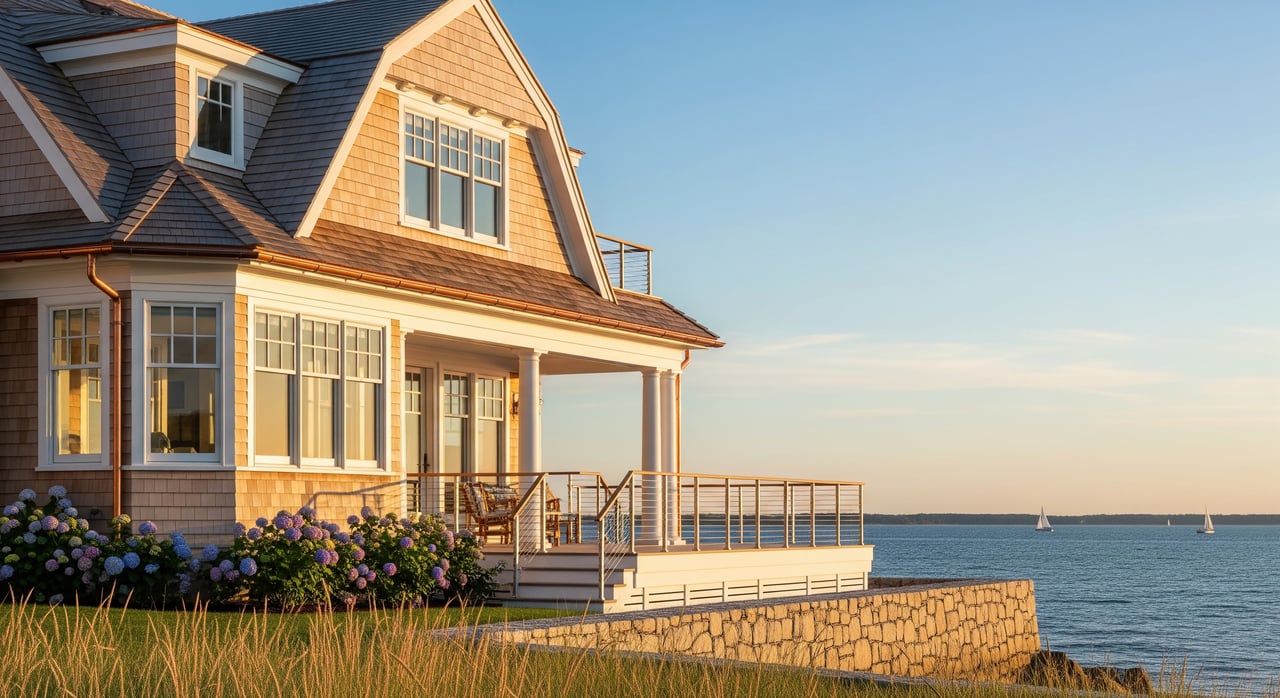
You love living near the water, but the same sea breezes that make Old Greenwich special can be tough on a home. Salt air, storms, and high humidity add wear that inland houses rarely see. With a focused plan, you can protect your property, reduce surprises, and keep long-term costs in check. This guide covers practical steps, seasonal checklists, and local considerations tailored to Old Greenwich’s coastal setting. Let’s dive in.
Why coastal homes need special care
Old Greenwich sits on Long Island Sound, so your home sees salt-laden air that accelerates metal corrosion and paint breakdown. Moisture and humidity put extra stress on wood, trim, and exterior finishes. Over time, that means more frequent touch-ups if you want everything tight and watertight.
Weather adds another layer. Nor’easters, occasional tropical systems, and winter freeze-thaw cycles can stress roofs, windows, decks, and shoreline structures. High winds and wave action during strong storms test every connection and opening.
Flooding risk varies by property. Tidal flooding, storm surge, and sea-level rise trends can affect basements, mechanical systems, and site drainage. For current risk and insurance needs, review up-to-date FEMA flood maps, local elevation data, and state sea-level guidance, and align your plan with Town of Greenwich requirements.
Protect the building envelope
Roof and flashing checks
Your roof is the first line of defense. Inspect shingles, flashing, and fasteners at least twice a year and after major storms. Salt spray speeds up rust on metal components, so look closely at valleys, chimneys, vents, and ridge caps for corrosion or loosening.
Use corrosion-resistant fasteners whenever you repair or replace. Stainless steel or hot-dip galvanized products perform better in marine areas. Address minor issues quickly to avoid moisture getting under the roof system.
Siding, trim, and coatings
Exterior finishes work harder near the Sound. Choose paint, stain, and sealers designed for coastal exposure and expect to recoat more often than inland homes. Seal gaps with durable marine-grade sealants where joints move or flex.
Check wood trim for early signs of rot. Replace or treat compromised pieces right away. Prompt repairs protect sheathing and framing from moisture intrusion that can become a bigger structural problem.
Windows, doors, and openings
Inspect seals, sills, and weatherstripping every season. Hardware can corrode in salt air, so keep hinges, locks, and tracks clean and functional. Consider impact-rated windows or tested storm shutters if you want extra protection during severe weather.
If your home is in a flood-prone spot, plan to elevate or relocate vulnerable electrical panels and mechanical components from basements to higher levels, consistent with code and manufacturer guidance.
Decks, railings, and balconies
Materials that last
Decks and railings face both sun and salt. Composite decking, pressure-treated lumber rated for ground contact, or naturally durable wood can perform well with the right upkeep. Use stainless or hot-dip galvanized connectors, screws, and anchors.
Rinse decks after heavy salt spray events and keep fasteners tight. A small rust stain can point to a connector that needs replacement before it weakens the structure.
Critical connection points
Ledger connections are a known risk in coastal conditions. Inspect the ledger, flashing, and fasteners at least annually for corrosion, gaps, or rot. Check rail posts, stair stringers, and brackets for movement. Replace corroded connectors and reinforce as needed to meet current safety standards.
Keep water away from the house
Gutters and downspouts
Clean gutters and downspouts at least twice a year and after big wind events. Salt and debris speed corrosion, so a quick rinse can extend the life of metal components. Consider guards if trees drop heavy debris near your roof.
Extend downspouts well away from the foundation. Confirm that discharge points do not cause erosion near footings. If you see washouts or standing water, adjust extensions and splash blocks until you maintain a consistent flow path.
Site grading and drainage
Maintain a gentle slope away from your foundation and keep mulch and beds off foundation walls. After heavy rain or high tides, walk the perimeter to spot pooling, soil settlement, or erosion. Fix grade and stabilize bare soil promptly.
Safeguard systems and utilities
HVAC and electrical
Outdoor condensers and heat pump units can corrode faster near the coast. Keep 2 to 3 feet of clearance from vegetation, rinse coils to remove salt buildup, and follow manufacturer guidance on protective coatings or shields. Schedule routine service as you switch seasons.
Elevate HVAC components and electrical panels above expected flood elevations where feasible. Replace corroded connectors and ensure outdoor outlets are GFCI-protected and in weatherproof housings.
Plumbing and sewage
Install backflow or check valves if your site is vulnerable to sewer backups during heavy storms. Maintain these valves so they operate when needed. For septic systems, follow the recommended service schedule and keep extra stormwater away from drain fields.
Protect exterior hose bibs and exposed plumbing from freezing. Insulate pipes in unconditioned areas before temperatures drop.
Sump pumps and backups
A dedicated sump pump with a battery backup is smart in Old Greenwich basements, especially where groundwater rises during high tides or prolonged rain. Test float switches and discharge lines seasonally. If your site is especially prone to intrusion, consider a secondary pump for redundancy.
Shoreline structures care
Spot early warning signs
After strong storms, walk and visually inspect seawalls, bulkheads, or revetments. Look for movement, settlement, shifting stones, missing sheathing, corroded anchors, or scouring at the base. Even small gaps or water flow through unintended openings can signal early-stage failure.
Keep drainage functional behind walls to reduce hydrostatic pressure. Document conditions with dated photos so you can compare season to season and catch changes early.
Work with licensed pros
Repairs to shoreline structures often require permits and engineered solutions. Engage licensed coastal or marine contractors and, when warranted, a coastal engineer. In many cases you will need approvals from Connecticut DEEP, possible Army Corps authorization, and Town of Greenwich permits.
When feasible, preserve or establish natural buffers with native dune or marsh vegetation. Vegetation can reduce erosion and absorb wave energy, complementing hard structures.
Control indoor moisture and air
Prevent mold after water events
Dry wet materials within 24 to 48 hours after flooding. Remove saturated drywall, insulation, carpet, and upholstered items that cannot be fully dried. Ventilate, dehumidify, and document damage for insurance.
For significant water intrusion or visible mold, contact certified remediation professionals. Safety comes first. Make sure the electrical system is not energized in wet areas before you begin any cleanup.
Basement and crawlspace tips
Inspect basements and crawlspaces regularly for signs of intrusion. Use dehumidifiers to keep indoor humidity below about 50 percent. Consider vapor barriers and adequate ventilation where appropriate to reduce condensation and musty odors.
Old Greenwich seasonal checklist
Spring
- Inspect roof, chimney, gutters, and downspouts; clear debris and repair damage.
- Check foundation, basement, and crawlspace for water intrusion; test sump pump and battery backup.
- Inspect deck ledger, fasteners, and railings for corrosion and rot.
- Service HVAC as you shift to cooling and schedule annual maintenance.
- Review flood insurance, elevation documentation, and refresh your emergency kit.
Summer
- Trim trees and remove dead limbs to reduce risk during wind events.
- Rinse salt buildup from exterior surfaces and clean outdoor mechanical equipment.
- Confirm positive drainage and shore up any erosion control measures.
- Visually inspect seawalls or bulkheads and document any changes.
Fall
- Clear gutters and downspouts and confirm good site drainage.
- Winterize hoses and exterior plumbing; insulate pipes prone to freezing.
- Secure outdoor furniture and loose items ahead of storm season.
- Inspect windows and doors for drafts; service storm shutters if installed.
- Revisit your storm plan and confirm contractor contacts.
Winter
Monitor for ice dams and confirm roof ventilation and insulation are adequate.
After coastal storms, inspect the exterior and check the basement for surge or groundwater intrusion.
Keep heat circulating and manage indoor humidity to limit condensation and mold.
Permits, insurance, and local help
Know when you need a permit
Shoreline work often requires approvals. Repairs or new construction for seawalls, bulkheads, or docks generally involve Connecticut DEEP rules and may require U.S. Army Corps review if navigable waters are affected. Locally, coordinate with the Town of Greenwich Building Department and related commissions for permits, coastal site plan review, and floodplain development requirements.
Pre-application discussions help you avoid delays. If your property is in a historic area, also confirm any additional review steps before starting work.
Flood insurance basics
Standard homeowner policies typically exclude flood damage. If your home is in a Special Flood Hazard Area, lenders require NFIP flood insurance. Even if you are outside mapped zones, consider coverage due to changing conditions and storm patterns.
An Elevation Certificate can be useful for insurance rating and potential premium reductions. FEMA maps and base flood elevations change over time, so check the latest information through FEMA and the town before you renew policies or plan improvements.
Who to call
Start with the Town of Greenwich Building Department for permits and codes, and Greenwich Emergency Management for preparedness and evacuation guidance. For technical work, hire licensed coastal engineers, marine contractors, electricians, and HVAC professionals familiar with coastal conditions and permitting. For post-flood cleanup, use certified mold remediation specialists. For landscaping, seek contractors experienced with native coastal plantings and erosion control.
Document, plan, and stay ready
Keep organized records of maintenance, repairs, permits, and before-and-after photos. Good documentation supports insurance claims and helps you track small changes that could signal bigger issues.
Build or update a storm plan that covers evacuation routes, emergency contacts, and locations of shutoffs. Keep an emergency kit with key documents, medications, and supplies. A little preparation goes a long way when storms move through the Sound.
Protecting a coastal home in Old Greenwich is about routine attention and smart upgrades, not constant worry. With the right materials, a seasonal checklist, and trusted local pros, you can enjoy the shoreline lifestyle while keeping your home resilient for years to come. If you want tailored guidance, referrals, or help aligning maintenance with your buy or sell plans, connect with Robin Bartholomew to Schedule a Consultation.
FAQs
How often should I inspect an Old Greenwich coastal home?
- Do a quick exterior walk-through each quarter and after major storms. Plan deeper checks of the roof, gutters, mechanicals, and any seawall or bulkhead at least twice a year.
What materials hold up best in salt air near Long Island Sound?
- Use marine-grade stainless hardware where possible, hot-dip galvanized fasteners otherwise, coastal-formulated paints and coatings, and composite or pressure-treated decking rated for ground contact.
Should I buy flood insurance if I am outside a mapped flood zone in Greenwich?
- Flood risk can change over time, and areas outside mapped zones can still flood. Many owners choose NFIP or private flood coverage even when it is not required by a lender.
When is it time to call a pro for a seawall or bulkhead?
- Contact a licensed coastal engineer or marine contractor if you see leaning, separation, cracking, settlement, scouring at the base, or water flowing through unintended gaps.
What are the first steps after basement flooding in a coastal storm?
- Ensure the area is safe, remove standing water, ventilate and dehumidify, discard saturated porous materials, document damage with photos, and call certified remediation professionals if needed.
How should I maintain HVAC equipment in a salt-exposed environment?
- Keep 2 to 3 feet of clearance, rinse coils to remove salt, consider manufacturer-approved protective coatings, and schedule routine service as you transition between seasons.