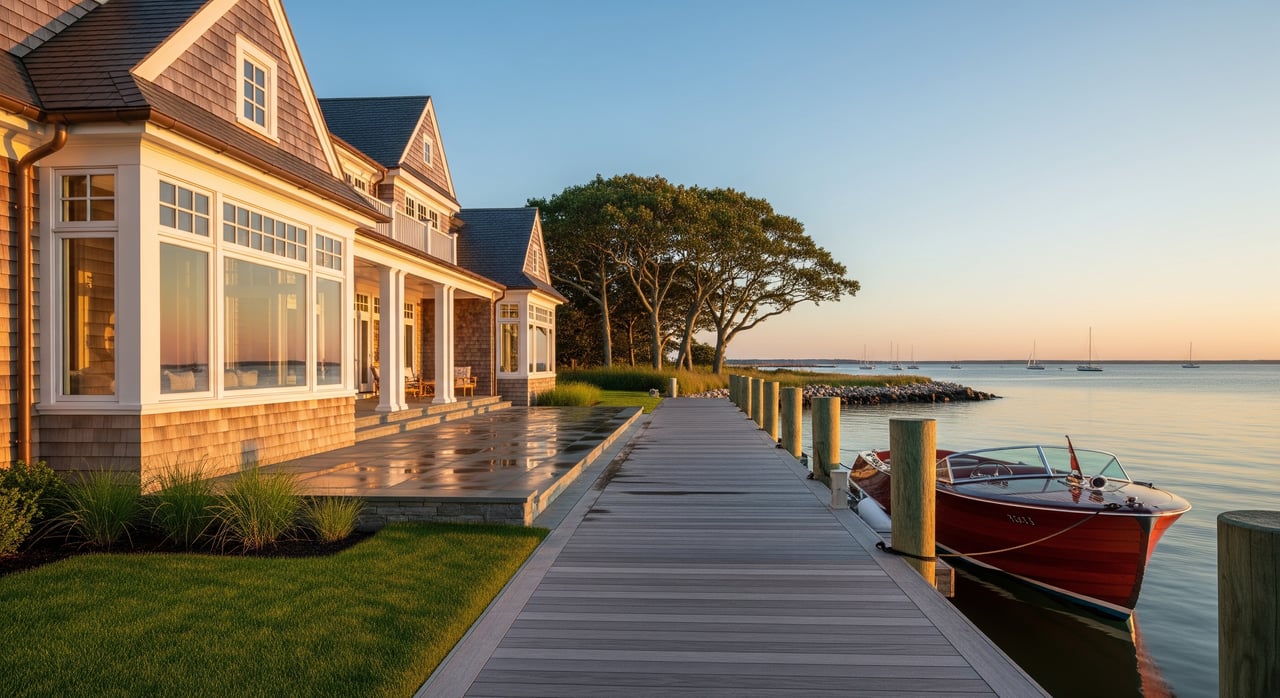
Picture early mornings with a salt breeze, coffee on the deck, and a quick walk at Greenwich Point before your train. If you are weighing life on the water against a quieter inland setting, you want a clear sense of the day-to-day. In this guide, you will learn how Greenwich’s shoreline neighborhoods differ, what daily routines look like, and the practical costs and questions to consider. Let’s dive in.
Greenwich waterfront at a glance
Greenwich stretches along Long Island Sound with several distinct shoreline areas, each with its own pace and housing mix.
- Greenwich Harbor / Downtown: Harbor-front dining and small marinas with pedestrian access to shops and services. You are close to the main Metro-North station and a busy town center.
- Belle Haven and Indian Harbor: Estate-scale waterfront properties, a yacht-club culture, and a private feel on local streets. Day-to-day errands often mean a short drive to downtown.
- Riverside: Single-family homes near village-style retail, I-95, and a Metro-North stop. Shoreline access and boating options shape warm-weather routines.
- Cos Cob: Neighborhoods along the Mianus River and Cos Cob Harbor, with a station on the New Haven Line. You find a range of homes from renovated cottages to larger builds.
- Old Greenwich: A walkable village with a beach and trails at Greenwich Point, plus a Metro-North station. The shoreline offers a mix of cottages and expanded homes.
- Byram: Western Greenwich with direct Sound frontage at the town edge, a village feel, and access to parks.
Inland neighborhoods offer more wooded settings and, in some cases, larger lots. They trade daily shoreline activity for yard-focused living and added privacy.
Daily life by the water vs inland
Recreation and rhythm
Waterfront living revolves around tides, weather, and access to beaches and marinas. You may plan evening walks on promenades, schedule boat time around tidal windows, and host friends outdoors. Inland, you are more likely to lean on backyard spaces, neighborhood parks, and a quieter routine.
Walkability and commute
Waterfront village centers like Old Greenwich, Cos Cob, and downtown Greenwich are more walkable to coffee, dining, and commuter rail. Enclaves with larger waterfront parcels can be car-oriented for errands. If you commute, proximity to Metro-North stations in Greenwich, Cos Cob, Riverside, and Old Greenwich can simplify your morning routine.
Social life and privacy
On the shore, summer brings regattas, club events, and more visitors in public-access areas, which adds energy and a public feel. Some shoreline communities remain very quiet, especially where access is limited to residents. Inland areas typically experience fewer seasonal swings in activity.
Parks, beaches, and boating access
Greenwich Point, often called Tod’s Point, is the town’s signature shore park with beaches, trails, and sweeping views. Smaller parks, marinas, and public walkways are dotted along the coast, and several village centers offer access to the water. Town permit systems, parking rules, and seasonal hours are set by Greenwich Parks and Recreation, and they change by season, so you will want to verify current regulations.
Boaters can choose among private yacht clubs, smaller marinas, and mooring fields. Slip availability, membership structures, and waitlists vary widely. If a private dock matters to you, check deed language, association rules, and local harbor and permitting requirements to confirm what rights transfer with a property.
Homes and price context on the shore
What you will find
Shoreline housing ranges from large historic and estate homes in areas like Indian Harbor and Belle Haven to shingle-style, Colonial, and modern custom builds oriented for views. In Old Greenwich and parts of Cos Cob, you still see smaller cottages and mid-century homes, many upgraded over time. Near downtown and village centers, select condominiums and townhouses offer lower-maintenance options close to the water.
Dock and mooring arrangements
Not all water-oriented properties include dock or mooring rights. Some docks are deeded, others are licensed or controlled by clubs or the town. Shared facilities may have rules and fees through associations or clubs. Always confirm the exact nature of any water access in writing and review the relevant town and harbor regulations.
Costs and upkeep to plan for
Salt air and spray accelerate wear on exterior finishes and mechanical systems, so expect a higher maintenance cadence than inland homes. If you own a boat, plan for seasonal fees, storage, insurance, and routine service. Waterfront properties often carry higher assessed values and can have higher insurance premiums. It is smart to confirm current assessments and insurance options with local professionals who handle coastal properties.
Seasonal calendar in Greenwich
- Spring: Boats come out of storage, clubs reactivate, and shoreline landscaping ramps up.
- Summer: Peak season, with busy beaches, parks, marinas, and outdoor dining. Weekends draw more visitors to public-access areas.
- Fall: Quieter shoreline as boating winds down, with a shift to foliage walks and cool evenings outside.
- Winter: The slowest waterfront season, focused on winterizing boats and homes. Some services operate on limited schedules.
Smart buyer checklist
- Confirm dock or mooring rights through deed language, association documents, and town or harbormaster permits.
- Review recent sales and micro-neighborhood comps via MLS and town records to understand value on your street.
- Check zoning and setback rules for additions, waterfront structures, and dock changes with Planning and Zoning.
- Inspect for salt-related wear and review maintenance history of exterior finishes, windows, roofs, and mechanicals.
- Get quotes on shoreline insurance and verify coverage availability for your property type.
- Understand seasonal parking and access rules for nearby parks and beaches.
- Map your commute and station access, including parking or drop-off options, from each sub-neighborhood.
Which waterfront fits your life
- Choose Old Greenwich if you want a beach-focused routine at Greenwich Point with a walkable village and rail access.
- Consider Cos Cob for river and harbor scenery, a range of home sizes, and a station on the New Haven Line.
- Look at Riverside for single-family living near village conveniences, I-95, and a Metro-North stop.
- Explore Greenwich Harbor / Downtown for harbor views and easy access to shops, restaurants, and the main station.
- Evaluate Belle Haven and Indian Harbor if you prefer estate-scale settings, clubs, and a more private streetscape.
- Visit Byram for western Sound frontage and a village-oriented pace near the town border.
How a local advisor helps
Coastal properties reward careful due diligence, from valuation to water access rights. A data-informed local approach helps you price accurately, negotiate clearly, and plan the logistics that make day-to-day life smooth. If you are buying, selling, or relocating to the shoreline, connect with a trusted, high-touch advisor who pairs market rigor with neighborhood insight.
Ready to find your fit on the Greenwich waterfront or compare it with inland options? Reach out to Robin Bartholomew to schedule a consultation.
FAQs
What is waterfront living like in Old Greenwich?
- You get a walkable village, regular access to Greenwich Point’s beaches and trails, and a Metro-North station that shapes daily convenience.
How walkable are Greenwich waterfront neighborhoods to shops and rail?
- Walkability is strongest around Old Greenwich, Cos Cob, and downtown Greenwich, while larger waterfront enclaves may be more car-oriented for errands.
What should I know about boat slips and moorings in Greenwich?
- Availability and waitlists vary by club and marina, and moorings require town and harbormaster approvals, so confirm options early in your search.
How do summer crowds affect residents near parks and beaches?
- Public-access areas can see higher weekend traffic and parking demand in summer, while private shoreline streets remain quieter.
What maintenance do Greenwich waterfront homes typically need?
- Expect more frequent care for exterior finishes and systems due to salt exposure, plus seasonal planning if you own a boat.
How does commuting work from waterfront areas in Greenwich?
- Proximity to Metro-North stations in Greenwich, Cos Cob, Riverside, and Old Greenwich improves convenience, so map your route from the specific street.
Are waterfront amenities in Greenwich available year-round?
- Many parks, clubs, and marinas operate on seasonal schedules, with peak activity in summer and reduced services in winter.