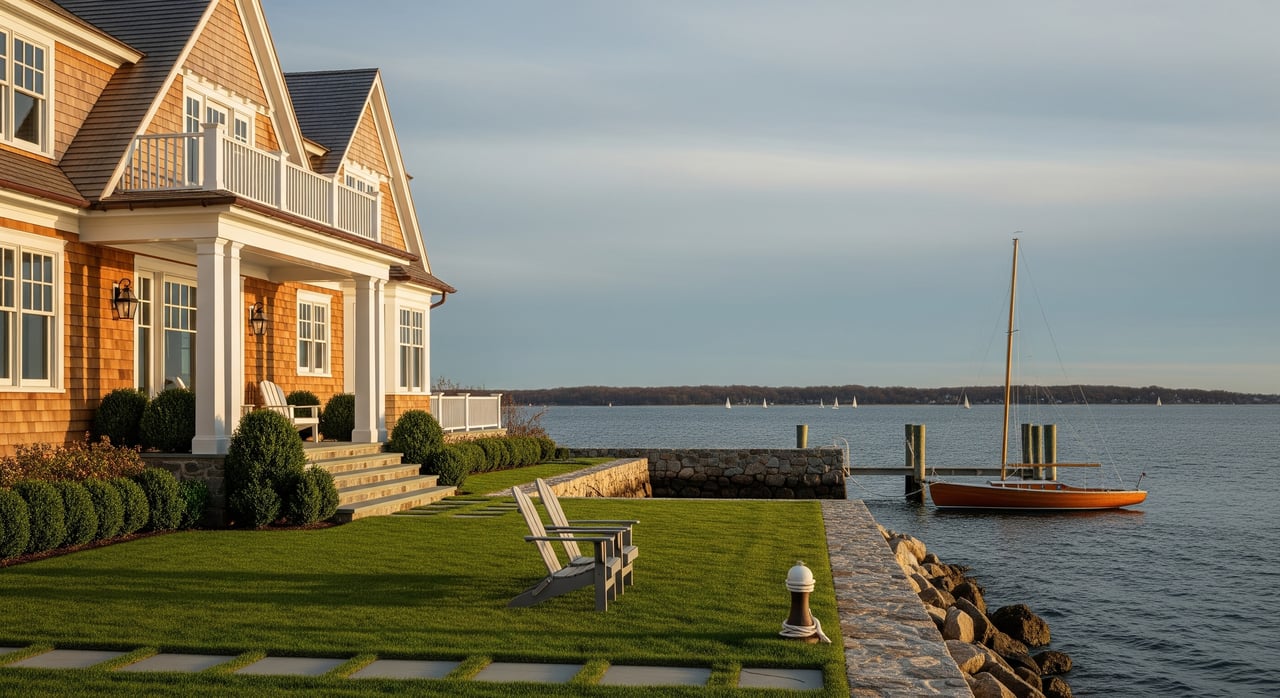
Trying to decide between Riverside and Old Greenwich in Greenwich, Connecticut? You’re not alone. Each neighborhood offers coastal living, commuter convenience, and a distinct rhythm to daily life. In this guide, you’ll learn how the two areas differ in vibe, housing, commute, and coastal considerations so you can match your lifestyle to the right fit. Let’s dive in.
Riverside vs Old Greenwich at a glance
Old Greenwich in brief
- A classic village center with shops, cafes, and restaurants in a walkable cluster.
- Strong connection to waterfront recreation and seasonal community events.
- Mix of historic cottages and renovated homes, with smaller lots near the village core and larger lots a bit inland.
Riverside in brief
- A quieter, residential-suburban feel with fewer clustered shops.
- Many single-family streets with mid-century homes and newer rebuilds, often on larger lots.
- Convenient commuter access with its own Metro-North station and quick reach to major roads.
Neighborhood vibe and daily life
If you enjoy strolling for coffee, errands, and dinner, Old Greenwich offers a more defined village main street experience. The concentrated downtown and regular community activities create an easy, small-town rhythm. Many homes sit within a short reach of beaches, boat clubs, and shoreline access.
If you prefer calmer residential streets and more privacy, Riverside leans suburban. You will still find coastal amenities and local services, but fewer retail clusters. Many residents drive to nearby village centers or downtown Greenwich for a broader mix of dining and shopping.
Homes and lot patterns
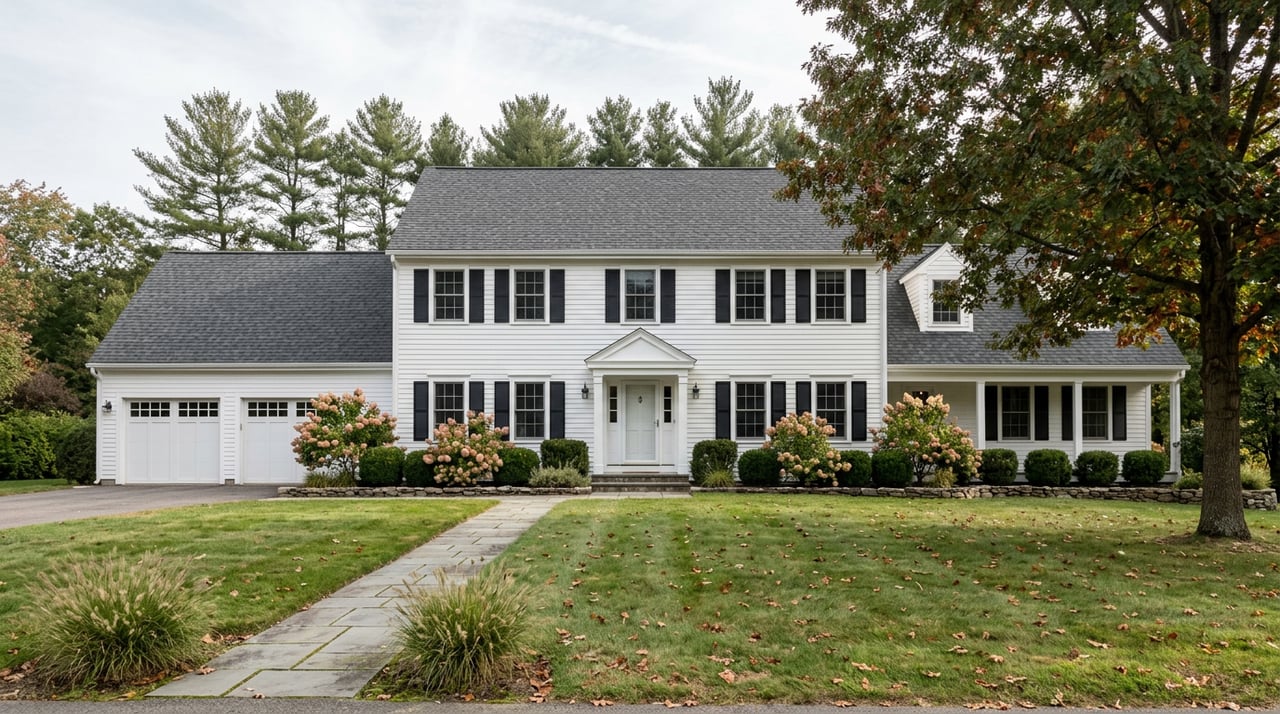
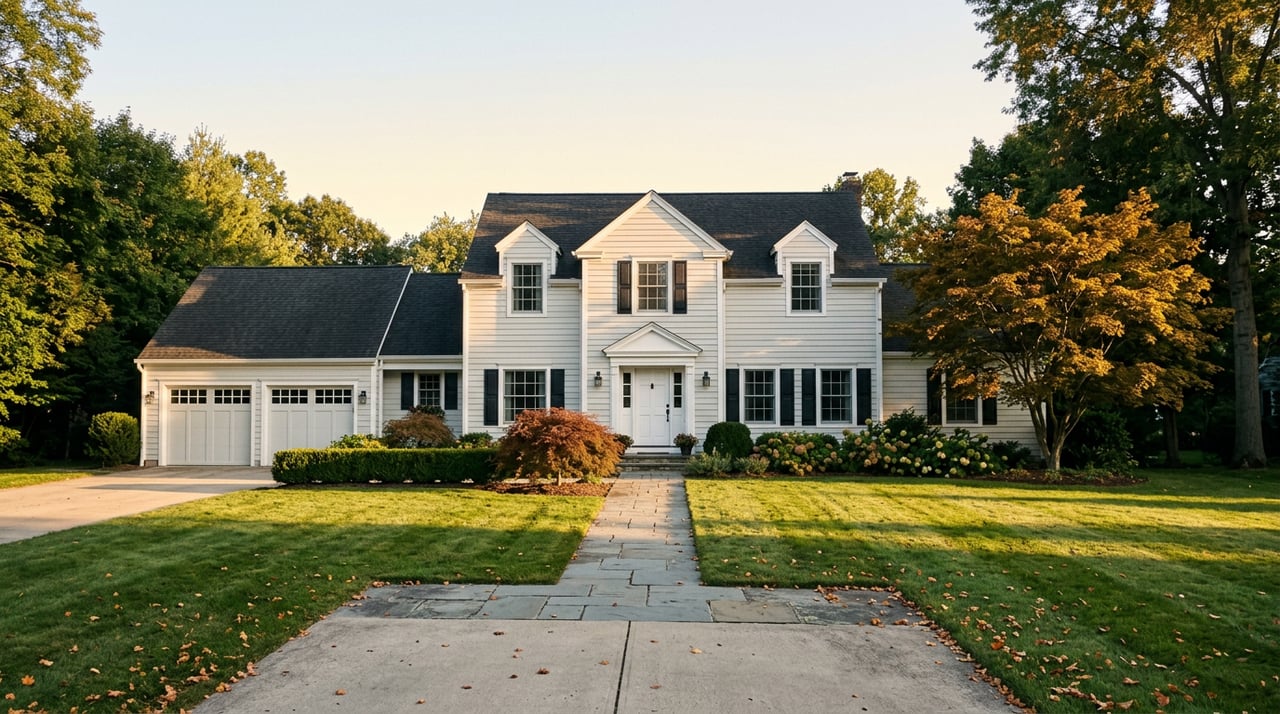
Both neighborhoods are primarily single-family. Old Greenwich has more historic cottages and older homes near the village and shoreline, with renovated properties throughout. Lot sizes trend smaller near the core, and grow as you move inland.
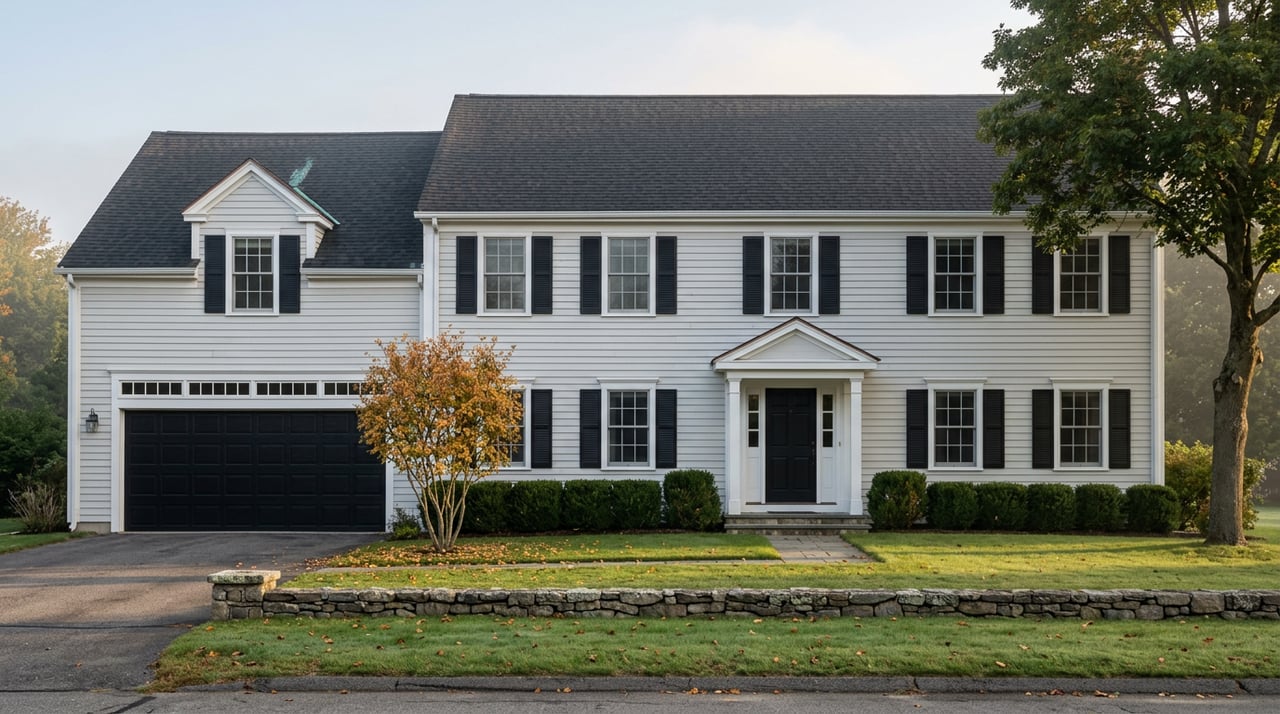
Riverside features a higher share of mid-century colonials and ranches, along with significant renovation and teardown-rebuild activity in recent years. Lots can be larger on average, offering room for expansions or new construction.
Waterfront properties exist in both areas and command premium pricing. As always, price varies by lot size, exact location, water access, and home condition.
Commute and access
Both neighborhoods have their own Metro-North New Haven Line stations: Riverside station and Old Greenwich station. These provide regular service to Stamford and Manhattan, with a mix of local and express options depending on the time of day. If a rail commute matters to you, review current schedules for your typical travel window.
Driving access is straightforward to I-95 and regional corridors, though peak-hour congestion is common in the Greenwich–Stamford–NYC routes. Train station parking and village-area parking can be limited at certain times. Many homeowners rely on private driveways for day-to-day convenience.
Waterfront, parks, and recreation
Both neighborhoods enjoy robust shoreline amenities. Greenwich residents can access Town beaches and parks, subject to current policies and parking rules. Greenwich Point (also known as Tod’s Point) is a major draw and sits near Old Greenwich, but proximity varies by address.
You’ll also find yacht, rowing, and boating opportunities in both areas. Families often choose based on day-to-day proximity to beaches, playgrounds, and seasonal programs like sailing or summer camps.
Schools and enrollment basics
Riverside and Old Greenwich are within Greenwich Public Schools. Each has a neighborhood elementary school, and middle and high school assignments depend on district boundaries. If school access is important to you, confirm address-specific assignments and review official program information directly with the district and the state education department.
Private, parochial, and magnet school options are also available within Greenwich and the surrounding region. Walkable routes to schools vary block by block, so evaluate your exact address for daily routines.
Coastal risk and insurance
Both neighborhoods include coastal areas with designated FEMA flood zones. Flood risk varies significantly by block and even within the same street based on elevation and proximity to marshes or open water. For homes in or near mapped floodplains, buyers should obtain elevation certificates and quotes for flood insurance during due diligence.
Coastal resiliency measures are common, including elevated foundations, seawalls, sump pumps, and related retrofits. Insurance premiums and requirements can materially affect ownership costs, so review this early with your insurer and inspect relevant documentation.
Market signals to watch
Home values in Riverside and Old Greenwich respond to micro-location, water access, lot size, and renovation quality. Historically, properties near the Old Greenwich village and Greenwich Point can command premiums. However, each season can look different as inventory, interest rates, and demand shift.
Before you make a move, monitor months of supply, median days on market, and sale-to-list-price ratios in your specific price band. Beach areas often see more listing activity in spring and summer. Check recent comparable sales close to your target address for the clearest picture.
Which fits your lifestyle
Choose Old Greenwich if you want:
- A classic village experience with walkable shops and restaurants.
- Closer proximity to clustered waterfront amenities and seasonal events.
- A home with historic charm or a cottage-style feel near a lively small downtown.
Choose Riverside if you want:
- Quieter residential streets and often larger lots.
- A strong commuter profile with a local train station and easy highway access.
- Renovation or rebuild potential with a more suburban day-to-day feel.
How to choose: a practical checklist
Buyer checklist:
- Confirm exact school assignments for your address and review official program information.
- Check rail schedules from Riverside or Old Greenwich stations for your commute times.
- Verify flood zone status, obtain an elevation certificate if needed, and get a flood insurance quote.
- Review recent comparable sales and days on market within a few blocks of your target home.
- Confirm septic vs. sewer, utility details, and any HOA, beach, or club membership fees.
- Evaluate parking options, station permits, and walkability from your specific street.
- Assess renovation potential, zoning parameters, and any coastal resiliency requirements.
Seller checklist:
- Pull the freshest comps and track list-to-sale price patterns in your micro-area.
- In Old Greenwich, highlight walkability and village access. In Riverside, emphasize lot size, privacy, and updates.
- Consider staging choices that speak to your likely buyer profile, from village-lifestyle seekers to suburban space hunters.
- Prepare documentation for flood history, elevation certificates, insurance, and recent improvements.
Work with a local advisor
Choosing between Riverside and Old Greenwich comes down to how you want to live day to day. A data-informed approach, paired with neighborhood insight, will help you weigh tradeoffs in commute, coastal risk, lot size, and access to amenities. If you’re relocating, timing a sale, or weighing a rebuild versus a renovation, having a strategic partner matters.
Ready to compare options in person and run the numbers with confidence? Connect with Robin Bartholomew to Schedule a Consultation and map the best path for your goals.
FAQs
Is Old Greenwich more expensive than Riverside?
- Old Greenwich often commands a premium near the village and Greenwich Point, but prices vary widely by lot size, water access, home condition, and micro-location. Review recent local comps before deciding.
How long is the train commute to Manhattan from these areas?
- Both neighborhoods have Metro-North stations with local and express options. Actual travel times depend on the schedule you choose, so check current timetables for peak and off-peak windows.
Are Riverside and Old Greenwich in flood zones?
- Parts of both neighborhoods fall within FEMA flood zones, varying block by block. Verify a specific address on flood maps, obtain an elevation certificate, and get a flood insurance quote during due diligence.
Which schools serve Riverside and Old Greenwich?
- Both are in Greenwich Public Schools, with neighborhood elementary schools and boundary-based middle/high school assignments. Confirm your address with the district and review official program information.
Where will I find more shops and restaurants day to day?
- Old Greenwich has a denser village core with walkable dining and retail. Riverside has fewer clustered shops, and residents often visit nearby village centers or downtown Greenwich for more options.
What seasonal trends affect these coastal markets?
- Spring and summer often bring more listings and activity in beach-adjacent areas. Inventory, interest rates, and buyer demand can shift each season, so focus on fresh comps and current months of supply in your segment.