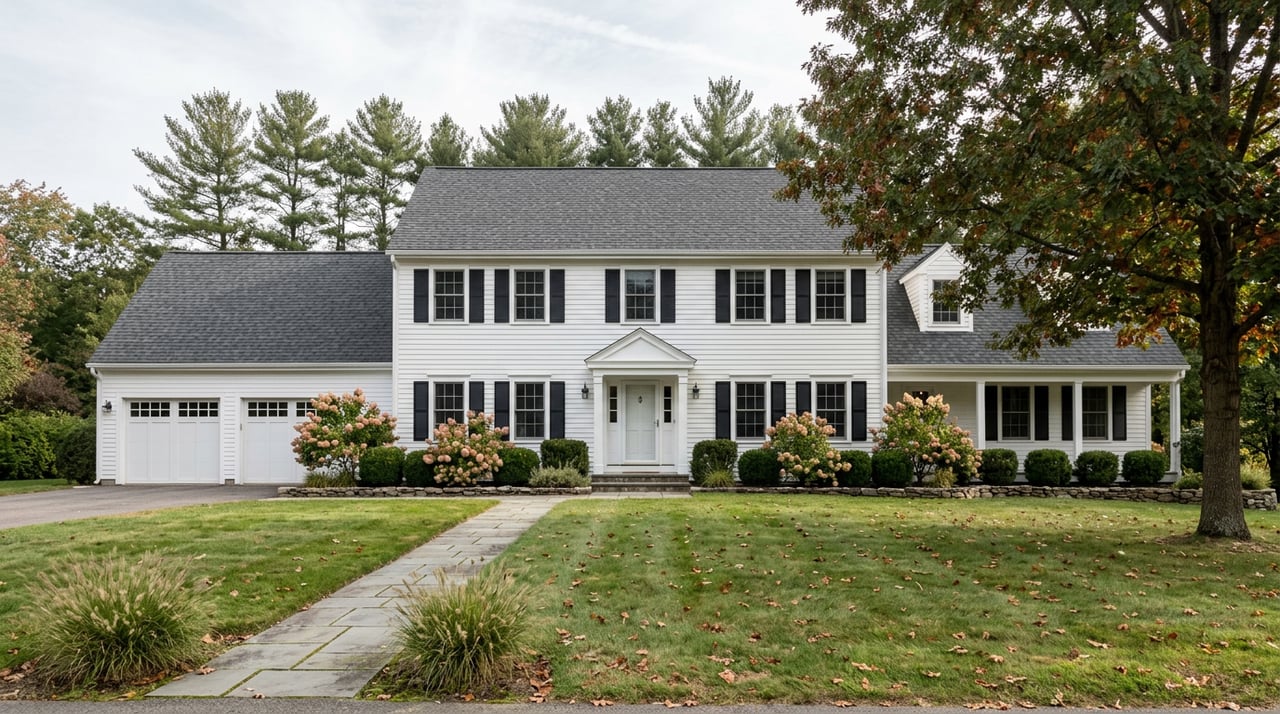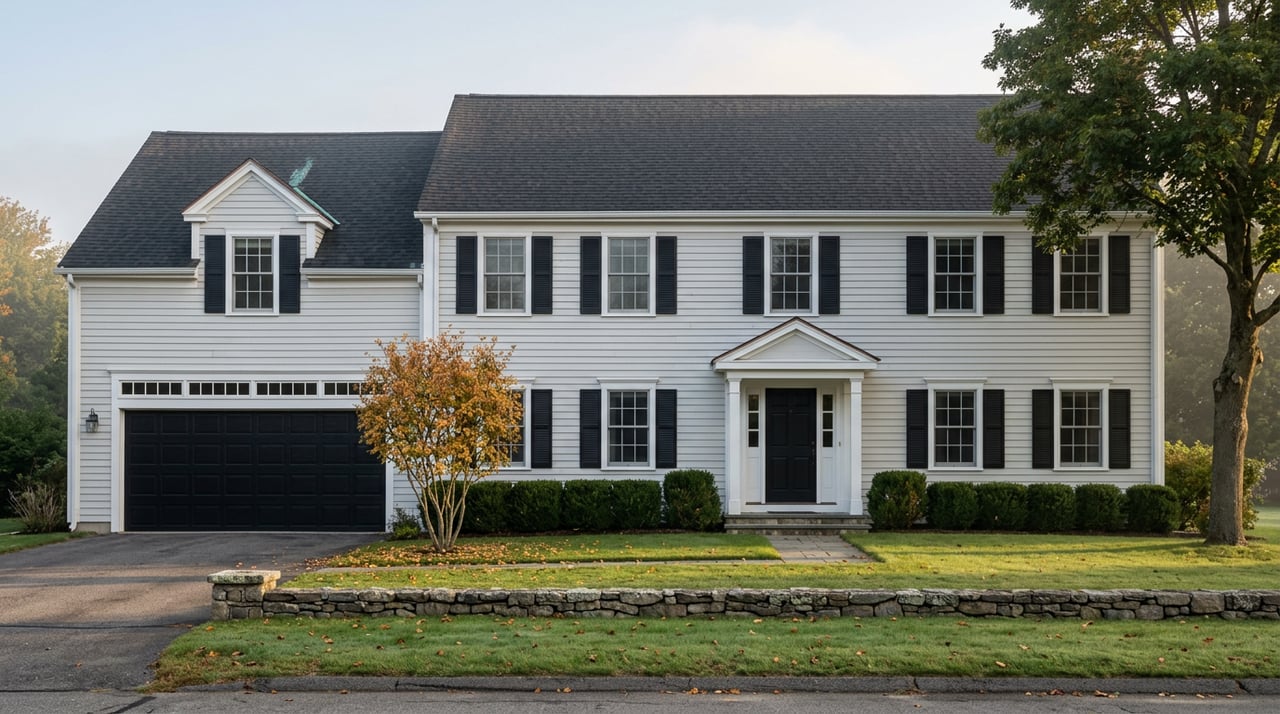
Selling in New Canaan is not just about putting a sign in the yard. In a market where buyers have options and polished homes can still command strong interest, your prep work can shape how quickly your home stands out and how confidently buyers respond. If you want a smoother launch, stronger first impressions, and fewer last-minute surprises, this checklist will help you get organized before your home goes live. Let’s dive in.
Why pre-listing prep matters in New Canaan
New Canaan remains an active, high-value market. Realtor.com reported a median listing price of $2.795 million, 34 median days on market, 94 active listings, and a 102% sale-to-list ratio in April 2026. That mix tells you something important: buyers are still paying attention, but they are also comparing condition, presentation, and overall readiness.
In practical terms, a clean, well-prepared launch can make a meaningful difference. When buyers are scrolling through photos and scheduling showings, details like lighting, clutter, paint touch-ups, and paperwork readiness all help shape their impression of value.
Timing matters too. Realtor.com identified April 12 through 18 as the strongest national listing week in its 2026 report, and its spring seller survey found that 53% of sellers took one month or less to get their home ready. That is a good reminder to start before photography and before your listing agreement is signed.
Start with a whole-home walk-through
Before you call in cleaners, movers, or contractors, walk through your home as if you were seeing it for the first time. Look for what a buyer will notice quickly in person and in photos. Focus on what feels crowded, worn, unfinished, or distracting.
This first review helps you separate your list into three buckets: must-do items, nice-to-do items, and records to gather. That structure can keep the process manageable and help you spend time where it counts most.
Declutter for space and photos
Decluttering is one of the most common and most effective pre-listing steps. NAR’s 2025 staging profile found that 91% of staged homes involved decluttering, making it the most frequently recommended seller improvement.
Your goal is not to erase personality. It is to make each room feel open, functional, and easy to understand. Buyers respond better when they can see the room itself instead of the volume of belongings inside it.
Use this quick decluttering checklist:
- Pack away seasonal items
- Remove extra furniture that makes rooms feel smaller
- Clear countertops, vanities, and desks
- Organize closets and storage areas
- Store away personal collections and keepsakes
- Minimize visible cords, pet items, and everyday overflow
If you need to clear out bulky items, plan ahead. New Canaan’s transfer station operates on a permit basis, so disposal logistics may take a little coordination.
Deep clean every visible surface
A clean home signals care. NAR’s 2025 staging profile found that entire-home cleaning was recommended in 88% of cases, which makes it one of the most valuable steps you can take before listing.
Focus on surfaces buyers will notice right away and areas that show up clearly in photography. Even a beautiful home can feel tired if dust, smudges, or buildup are visible.
Prioritize cleaning these areas:
- Windows and glass doors
- Walls and baseboards
- Carpets and rugs
- Light fixtures and recessed trim
- Kitchen appliances and cabinet fronts
- Bathrooms, grout, mirrors, and fixtures
Cleanliness helps both showings and photography. Listing photos are often a buyer’s first impression, and small details can influence whether they want to see more.
Depersonalize without making the home feel cold
Depersonalizing helps buyers picture themselves living in the space. NAR’s consumer guidance recommends removing personal photos and collectibles for that reason.
This does not mean your home should feel empty or lifeless. It simply means reducing highly personal details so rooms read clearly and feel broadly inviting.
A few simple changes can help:
- Remove most family photos
- Pack away highly specific decor
- Simplify bookshelves and display areas
- Keep styling neutral and consistent from room to room
Make minor repairs before buyers notice them
Small visible issues can create bigger questions in a buyer’s mind. Scuffed paint, loose hardware, cracked caulk, and burned-out bulbs may seem minor, but together they can make a home feel less cared for.
NAR recommends addressing visible cosmetic touch-ups before listing. In many homes, this means taking care of simple fixes that improve how the property shows both online and in person.
Common pre-listing repairs include:
- Patching nail holes
- Repainting scuffed or chipped areas
- Replacing burned-out light bulbs
- Tightening loose handles or hinges
- Fixing dripping faucets
- Refreshing worn caulk around tubs and sinks
If a major system is aging, NAR also recommends gathering replacement estimates for items like the roof or HVAC system, even if you do not plan to replace them before listing. Buyers often factor those costs into negotiations.
Consider a pre-sale inspection
A pre-sale inspection is optional, not required. Still, NAR notes that it can help identify trouble areas before buyers do, which may make the home easier to market.
For some sellers, this step helps reduce surprises during escrow. It can also give you time to choose whether to repair an issue, price with it in mind, or prepare documentation that explains the condition clearly.
Refresh curb appeal early
Curb appeal is not just about the showing day. It affects the first photo, the drive-up impression, and the overall tone of the listing. NAR recommends landscaping, front-entry updates, paint improvements, and general exterior cleanup as part of seller prep.
Start with the basics. Make sure the lawn is maintained, bushes are trimmed, the walkway is clear, and the house number is easy to see. These details help the property feel orderly and welcoming from the start.
Use this exterior checklist:
- Mow and edge the lawn
- Trim shrubs and remove dead plantings
- Sweep walkways and front steps
- Clean the front door and entry hardware
- Touch up exterior paint where needed
- Make sure the address is visible from the street
Check historic district rules before exterior work
In New Canaan, some exterior updates require extra attention. If your home is in the historic district, exterior alterations require a Certificate of Appropriateness before a building permit can be issued, and the district boundaries are recorded in the town land records.
That means you should confirm historic-district status before planning window replacements, facade changes, or other exterior improvements. The town’s building permit application specifically asks whether the property is in the historic district and instructs applicants to include the Historic Commission certificate if it applies.
Gather disclosures and key documents early
Paperwork is one of the easiest things to delay and one of the most important things to organize up front. In Connecticut, sellers should be prepared to provide the Residential Property Condition Report before the buyer signs a binder or purchase contract on residential property of four units or fewer.
If that report is not furnished, the form states that the buyer may receive a $500 credit at closing. The form also makes clear that it is not a substitute for inspections.
The Connecticut disclosure form asks about more than many sellers expect. It includes questions about:
- Flood hazard and inland wetlands
- Historic or village district status
- Special tax districts
- Common-interest communities and dues
- Water and sewer systems
- Septic pumping
- Lead paint
- Foundation settling
- Basement seepage
- Roof leaks
- Siding issues
- Deck problems
- Other known defects
The best approach is to start gathering answers and supporting records before your listing prep is in full swing. That gives you more time to verify details and avoid a rushed disclosure process.
Build your New Canaan document packet
New Canaan adds some local records that are helpful to gather early. The town’s zoning-compliance guidelines reference documents such as tax assessment field cards, an A-2 survey, zoning permits, building permits, and certificates of occupancy.
According to the town, field cards can be obtained from the assessor’s office, and cards older than 1965 are stored at the New Canaan Historical Society. Having these records ready can help clarify what was permitted, what was added, and what supports the home’s current configuration.
You should also collect:
- Appliance manuals
- Warranties and guarantees
- Roof and HVAC service records
- Contractor invoices
- Maintenance records for systems that will remain with the home
This kind of documentation can help reassure buyers and make the transaction feel more transparent.
Handle pre-1978 homes carefully
If your home was built before 1978, pre-listing prep may involve lead-paint considerations. EPA guidance states that older homes are more likely to contain lead-based paint, and renovation or painting projects that disturb it should be completed by lead-safe certified contractors.
This matters for both safety and disclosure. Buyers of pre-1978 housing must receive known lead information before they sign, so any records you have should be included in your document packet.
If you are planning sanding, repainting, or similar cosmetic work, factor this into your prep timeline. It is better to address it correctly at the start than to create avoidable problems later.
Focus on the repairs that matter most
Not every project is worth doing before listing. In most cases, the best use of your time and budget is to prioritize items that improve photos, strengthen first impressions, and reduce inspection concerns.
That usually means focusing on:
- Decluttering and cleaning
- Paint touch-ups
- Minor cosmetic repairs
- Exterior cleanup
- Documentation for major systems and past work
A disciplined pre-listing plan is not about over-improving your home. It is about making smart choices that support pricing, presentation, and negotiation.
Create your launch timeline
If you are aiming for a spring listing, starting a month or more ahead is reasonable based on current seller prep patterns and market timing data. In New Canaan, where homes often compete on presentation as well as price, that head start can give you more control.
A simple timeline may look like this:
- 4 to 6 weeks out: walk-through, decluttering plan, document gathering
- 3 to 4 weeks out: repairs, painting, contractor scheduling, exterior cleanup
- 2 to 3 weeks out: deep cleaning, staging adjustments, disclosure review
- 1 week out: final touch-ups, photography prep, showing readiness
The earlier you begin, the easier it is to make thoughtful decisions instead of rushed ones.
Selling a New Canaan home takes more than good timing. It takes a clear plan, strong presentation, and the right preparation behind the scenes. If you want help building a smart pre-listing strategy for your home, connect with Robin Bartholomew for thoughtful, data-informed guidance tailored to your goals.
FAQs
What should sellers do first before listing a New Canaan home?
- Start with a full walk-through, create a repair and decluttering list, and begin gathering Connecticut disclosure forms and New Canaan property records.
How far in advance should sellers prepare a New Canaan home for sale?
- Starting a month or more ahead is a practical timeline, especially if you need repairs, exterior work, document collection, or contractor scheduling.
Do sellers need a pre-sale inspection for a New Canaan home?
- No. A pre-sale inspection is optional, but it can help uncover issues before buyers do and may make the home easier to market.
What documents should sellers gather before listing in New Canaan?
- Start with the Connecticut Residential Property Condition Report, then gather surveys, permits, certificates of occupancy, tax assessment field cards, manuals, warranties, and service records.
Do cosmetic updates matter when selling a New Canaan home?
- Yes. Cleaning, decluttering, paint touch-ups, minor repairs, and curb appeal improvements can help your home show better in photos and in person.
What should sellers know about historic district rules in New Canaan?
- If your home is in the historic district, certain exterior alterations require a Certificate of Appropriateness before a building permit can be issued.
What should sellers of pre-1978 homes do before listing in Connecticut?
- Gather any known lead-related records and use lead-safe certified contractors for work that could disturb lead-based paint.